Category Archives: Health

Good News Monday: How to Live Longer

[from the New York Times]

An illustration of a person standing in a yoga pose with leaves emanating from different parts of the body; on either side of the person is an infinity loop with various vignettes; the vignettes are a couple on a couch, a person sleeping, a bowl of fruit and a person running.
Credit…Cristina Spanò

By Dana G. Smith

Humans have searched for the secret to immortality for thousands of years. For some people today, that quest includes things like sleeping in a hyperbaric chamber, experimenting with cryotherapy or blasting oneself with infrared light.

Most aging experts are skeptical that these actions will meaningfully extend the upper limits of the human life span. What they do believe is that by practicing a few simple behaviors, many people can live healthier for longer, reaching 80, 90 and even 100 in good physical and mental shape. The interventions just aren’t as exotic as transfusing yourself with a young person’s blood.

“People are looking for the magic pill,” said Dr. Luigi Ferrucci, the scientific director of the National Institute on Aging, “and the magic pill is already here.”

Below are seven tips from geriatricians on how to add more good years to your life.

The number one thing experts recommended was to keep your body active. That’s because study after study has shown that exercise reduces the risk of premature death.

Physical activity keeps the heart and circulatory system healthy and provides protection against numerous chronic diseases that affect the body and mind. It also strengthens muscles, which can reduce older people’s risk of falls.

“If we spend some of our adult years building up our muscle mass, our strength, our balance, our cardiovascular endurance, then as the body ages, you’re starting from a stronger place for whatever is to come,” said Dr. Anna Chang, a professor of medicine specializing in geriatrics at the University of California, San Francisco.

The best exercise is any activity you enjoy doing and will stick with. You don’t have to do a lot, either — the American Heart Association recommends 150 minutes of moderate-intensity exercise per week, meaning just walking a little more than 20 minutes a day is beneficial.

The experts didn’t recommend one specific diet over another, but they generally advised eating in moderation and aiming for more fruits and vegetables and fewer processed foods. The Mediterranean diet — which prioritizes fresh produce in addition to whole grains, legumes, nuts, fish and olive oil — is a good model for healthy eating, and it’s been shown to lower the risk of heart disease, cancer, diabetes and dementia.

Some experts say that maintaining a healthy weight is important for longevity, but to Dr. John Rowe, a professor of health policy and aging at Columbia University, that’s less of a concern, especially as people enter old age. “I was always more worried about my patients who lost weight than my patients who gained weight,” Dr. Rowe said.

Sleep is sometimes overlooked, but it plays a major role in healthy aging. Research has found that the amount of sleep a person averages each night is correlated with their risk of death from any cause, and that consistently getting good quality sleep can add several years to a person’s life. Sleep appears to be especially important for brain health: A 2021 study found that people who slept less than five hours a night had double the risk of developing dementia.

“As people get older, they need more sleep rather than less,” said Dr. Alison Moore, a professor of medicine and the chief of geriatrics, gerontology and palliative care at the University of California, San Diego. Seven to nine hours is generally recommended, she added.

This goes without saying, but smoking cigarettes raises your risk for all kinds of deadly diseases. “There is no dose of cigarette smoke that is good for you,” Dr. Rowe said.

We’re starting to understand how bad excessive alcohol use is, too. More than one drink per day for women and two for men — and possibly even less than that — raises the risk for heart disease and atrial fibrillation, liver disease, and seven types of cancer.

Nearly half of American adults have hypertension, 40 percent have high cholesterol and more than one-third have pre-diabetes. All the healthy behaviors mentioned above will help manage these conditions and prevent them from developing into even more serious diseases, but sometimes lifestyle interventions aren’t enough. That’s why experts say it’s critical to follow your doctor’s advice to keep things under control.

“It’s not fun to take the medications; it’s not fun to check your blood pressure and check your blood sugar,” Dr. Chang said. “But when we optimize all those things in a whole package, they also help us live longer, healthier, better lives.”

Psychological health often takes a back seat to physical health, but Dr. Chang said it’s just as important. “Isolation and loneliness is as big a detriment to our health as smoking,” she said, adding that it puts us “at a higher risk of dementia, heart disease, stroke.”

Relationships are key to not only living healthier, but also happier. According to the Harvard Study of Adult Development, strong relationships are the biggest predictor of well-being.

Dr. Rowe tells the medical students he teaches that one of the best indicators of how well an elderly patient will be faring in six months is to ask him “how many friends or family he’s seen in the last week.”

Even thinking positively can help you live longer. Several studies have found that optimism is associated with a lower risk of heart disease, and people who score highly on tests of optimism live 5 to 15 percent longer than people who are more pessimistic. That may be because optimists tend to have healthier habits and lower rates of some chronic diseases, but even when accounting for those factors, the research shows that people who think positively still live longer.

If you had to pick one healthy practice for longevity, “do some version of physical activity,” Dr. Moore said. “If you can’t do that, then focus on being positive.”

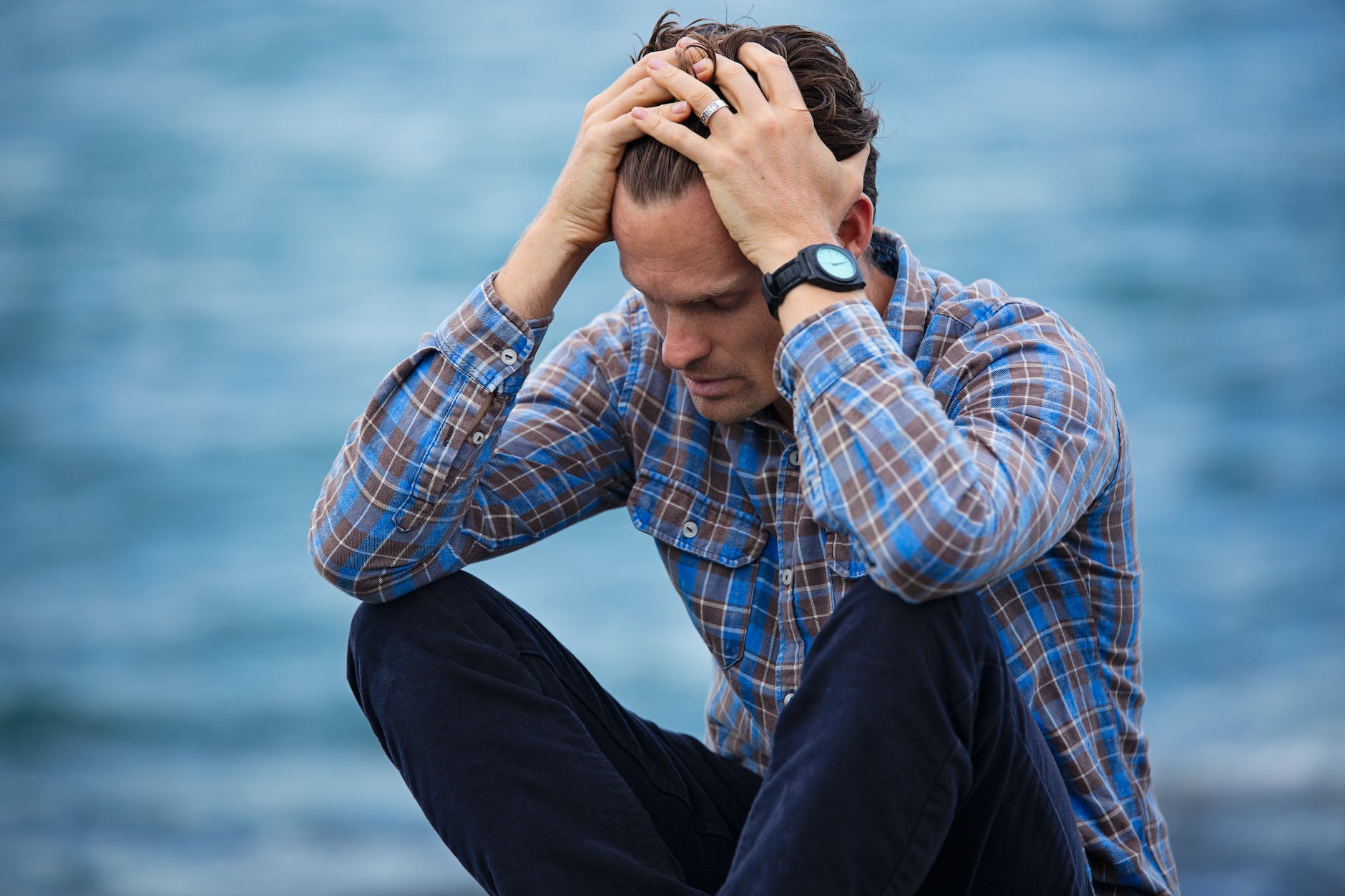
All in Your Head?

Photo by Nathan Cowley on Pexels.com

Hypochondriacs still wind up living shorter lives than the rest of us

— The Conversation

People who worry excessively about their health tend to die earlier than those who don’t, a recent study from Sweden has found. It seems strange that hypochondriacs who, by definition, worry yet have nothing wrong with them, should enjoy shorter lifespans than the rest of us. Let’s find out more.

First, a word about terminology. The term “hypochondriac” is fast becoming pejorative. Instead, we medical professionals are encouraged to use the term illness anxiety disorder (IAD). So, to avoid triggering our more sensitive readership, we ought to use this term.

We can define IAD as a mental health condition characterized by excessive worry about health, often with an unfounded belief that a serious medical condition is present. It may be associated with frequent visits to a doctor, or it may involve avoiding them altogether on the grounds that a real and quite possibly fatal condition might be diagnosed.

The latter variant strikes me as quite rational. A hospital is a dangerous place and you can die in a place like that.

IAD can be quite debilitating. A person with the condition will spend a lot of time worrying and visiting clinics and hospitals. It is costly to health systems because of time and diagnostic resources used and is quite stigmatizing.

Busy healthcare professionals would much rather spend time treating people with “real conditions” and can often be quite dismissive. So can the public.

Now, about that study

The Swedish researchers tracked around 42,000 people (of whom 1,000 had IAD) over two decades. During that period, people with the disorder had an increased risk of death. (On average, worriers died five years younger than those who worried less.) Furthermore, the risk of death was increased from both natural and unnatural causes. Perhaps people with IAD have something wrong with them after all.

People with IAD dying of natural causes had increased mortality from cardiovascular causes, respiratory causes and unknown causes. Interestingly, they did not have an increased mortality from cancer. This seems odd because cancer anxiety is rife in this population.
The principal cause of unnatural death in the IAD cohort was from suicide, with at least a fourfold increase over those without IAD.

So how do we explain these curious findings?

IAD is known to have a strong association with psychiatric disorders. As suicide risk is increased by psychiatric illness, then this finding seems quite reasonable. If we add in the fact that people with IAD may feel stigmatized and dismissed, then it follows that this may contribute to anxiety and depression, leading ultimately to suicide in some cases.

The increased risk of death from natural causes seems less easy to explain. There may be lifestyle factors. Alcohol, smoking and drug use are more common in anxious people and those with a psychiatric disorder. It is known that such vices can limit one’s longevity and so they may contribute to the increased mortality from IAD.

IAD is known to be more common in those who have had a family member with a serious illness. Since many serious illnesses have a genetic component, there may be good constitutional causes for this increase in mortality: lifespan is shortened by “faulty” genes.

What can we learn?

Doctors need to be alert to the underlying health problems of patients and must listen with greater care. When we are dismissive of our patients, we can often be badly caught out. People with IAD may well have a hidden underlying disorder – an unpopular conclusion, I accept.

Perhaps we can illustrate this point with the case of the French novelist, Marcel Proust. Proust is often described by his biographers as a hypochondriac, yet he died in 1922 at the age of 51 at a time when the life expectancy of a Frenchman was 63.

During his life, he complained of numerous gastrointestinal symptoms such as fullness, bloating and vomiting, yet his medical attendants could find little wrong. In fact, what he described is consistent with gastroparesis.

This is a condition in which motility of the stomach is reduced and it empties more slowly than it should, causing it to overfill. This can lead to vomiting and with that comes a risk of inhaling vomit, leading to aspiration pneumonia and Proust is known to have died of complications of pneumonia.

Finally, a word of caution: writing about IAD can be quite risky. The French playwright Molière wrote Le Malade Imaginaire (The Imaginary Invalid), a play about a hypochondriac called Argan who tries to get his daughter to marry a doctor in order to reduce his medical bills. As for Molière, he died at the fourth performance of his work.

Mock hypochondriacs at your peril.

Stephen Hughes, Senior Lecturer in Medicine, Anglia Ruskin University

Good News Monday: “Processed” Isn’t Always Bad

groceries on a checkout line
Groceries on a checkout line

From StudyFinds.com

Believe it or not, lots of processed foods are highly nutritious

by Shyla Cadogan, RD

“Stop eating processed food!” Have you heard that before from your favorite wellness guru? Usually in the next video, that same person is eating Greek yogurt with honey on top. However, did you know these are two processed foods?

Don’t be misled by people who view all processed foods as the same thing. Although they might mean well, the oversimplification can be dangerous. Not all processed foods are the same, and some are much healthier than a can of Pringles or TV dinners.

What is processed food?

By definition, this describes any food that has been altered in some manner. It could be as simple as freezing vegetables. This is not to be mixed up with the societal definition of “processed food,” which is more so referring to stuff like chips, cakes, and pies.

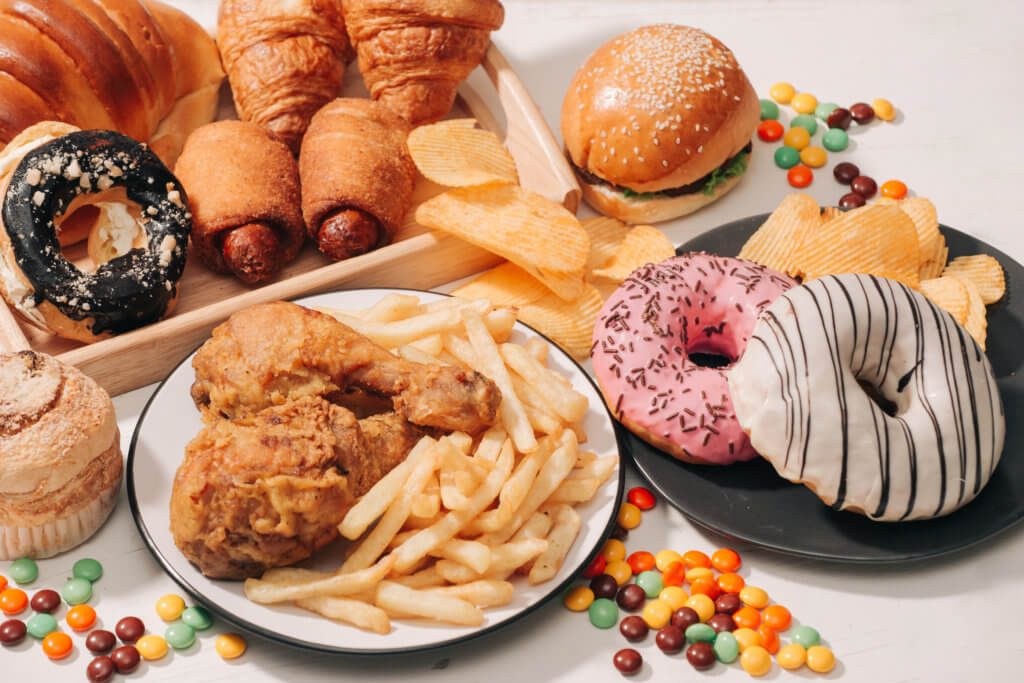
Junk food and processed food
(© makistock – stock.adobe.com)

Levels of Processing

We tend to lump all processed food together as one thing, but in reality, there are levels of processing that are put in place in order to accurately distinguish between a vegetable and a slice of chocolate cake. The NOVA classification system is the most popular way to classify processed foods.

Group 1: Unprocessed and minimally processed foods

Unprocessed foods are the edible parts of fruits, vegetables, and other plant foods as well as animal foods like eggs. Minimally processed food describes the removal of inedible or undesirable parts of natural foods through means of crushing, roasting, filtering, boiling, pasteurizing (think about milk), etc.

Group 2: Processed culinary ingredients

This includes ingredients like oils, butter, lard, sugar, and salt. All are derived from group 1 foods and made into processed ingredients.

Group 3: Processed foods 

Canned beans and vegetables, sardines in oil, fresh breads, bacon, and other similar meats are included in this category.

Group 4: Ultra-processed foods

Ultra-processed foods undergo the heaviest levels of processing. These are foods like sodas, high-fat snack foods, and desserts that we are all familiar with when we hear the phrase “processed food.” Colors, flavors, emulsifiers, and other food additives are typically used to make the final product tasty and keep you coming back for more.

Woman eating snacks and junk food while working at desk
(© Juliaap – stock.adobe.com)

So which processed foods are good for you?

After breaking down the classifications, it’s clear that even the milk in your fridge and the black beans in your pantry are considered “processed.” This does not negate their nutrition and so the assumption that all processed foods are unhealthy is flawed.

“Stop eating processed food,” being the most common thing pushed by health and wellness gurus also just isn’t realistic for the average person. It is barely realistic for the person saying it. Canned fish, neatly packaged cuts of meat, rolled oats, and chopped vegetables are all processed foods that are not only highly nutritious but convenient for people to include in their diets because they are processed. Who has the time and energy to go find and gut their own salmon for dinner? Not most people.

People with low incomes and living in food deserts may also struggle to buy anything else except for canned vegetables and fruits for their families. Are we to tell them that it all needs to be fresh and from the highest quality source even if it comes at a great expense?

Let’s change our language

Instead, it’s more appropriate to specify that limiting ultra-processed snacks, fast food, desserts, and sodas is what is important. Even still, “limit” is the keyword here. It is not within everybody’s social or financial means to completely cut out TV dinners if they have no time to feed their kids anything else. It is also not necessary nor realistic to tell people to never eat a donut again in their lives. Striking a healthy balance that prioritizes whole fruits, vegetables, proteins, and carb sources is what matters most.

Bottom Line

Not all processed food is the same. Processed food being called unhealthy and being demonized isn’t warranted considering nutritious foods like frozen blueberries are processed. There are different levels of processing. Foods like sweets, salty snacks, and meals are ultra-processed. By lumping all processed foods as one, it removes the necessary nuance and ignores the needs of vulnerable populations, such as those who live in food deserts and struggle with food insecurity.

Good News Monday: The New Healthy Eating

I was happy to read that the Mediterranean diet, newly repurposed as the MIND diet, is said to help prevent dementia. To no one’s surprise, it emphasizes fresh fruit and veggies, whole grains, olive oil, fish, etc.

I can’t help wondering, though, why no one is touting the MINDLESS diet, which has been proven to help prevent depression.

This classic meal plan, first discovered during those critical, formative teenage years, is equally helpful in attaining mindless hedonism in adulthood. Its key components are:

  • 1 bag of chips per day
  • 1 pint of ice cream twice weekly (do not substitute ice milk or frozen yogurt); extra benefit from additions such as chocolate chips, fudge, and salted caramel
  • 2 cocktails per evening
  • 1 bottle of wine per dinner (serves 2)
  • French fries (actually, fried anything)
  • Include plenty of fresh bread, cookies, pies, cakes and pastries
  • Level up to vegetable stir fry or tempura – so much more festive than raw or steamed veggies
  • Remember the 3 P’s: Pasta, Potatoes, Pizza
  • At least monthly: savor an ample cheese board with brie, goat cheese, Stilton, cheddar (may substitute grilled cheese on buttered bread as desired)
  • Dessert twice daily, preferably with whipped cream
Photo by Teejay on Pexels.com

Enjoy! With the world in the mess it’s in, we need all the comfort food we can get

The Bleeping Truth

This article brightened my freakin’ morning; enjoy!

Why swearing is a sign of intelligence, helps manage pain and more

By Sandee LaMotte, CNN

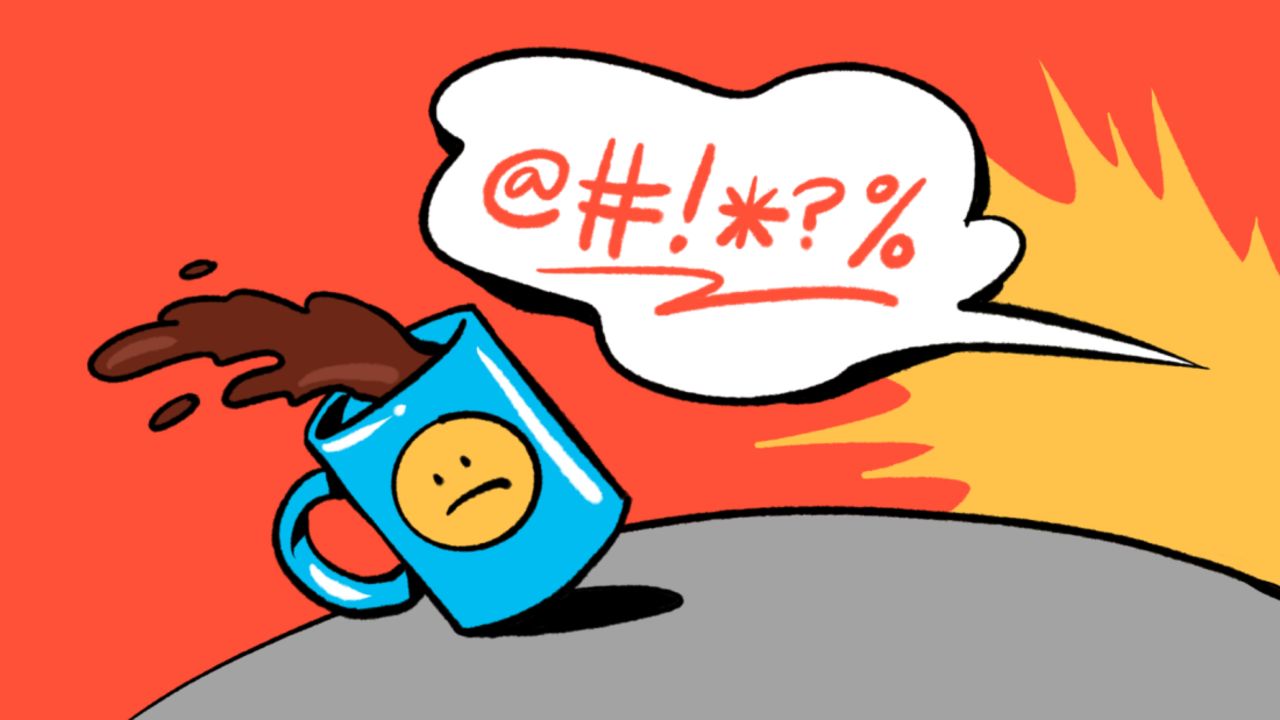
Swearing can be associated with social intelligence, some experts say.

Max Pepper/CNN

Polite society considers swearing to be a vulgar sign of low intelligence and education, for why would one rely on rude language when blessed with a rich vocabulary?

That perception, as it turns out, is full of, uh … baloney. In fact, swearing may be a sign of verbal superiority, studies have shown, and may provide other possible rewards as well.

“The advantages of swearing are many,” said Timothy Jay, professor emeritus of psychology at the Massachusetts College of Liberal Arts, who has studied swearing for more than 40 years.

“The benefits of swearing have just emerged in the last two decades as a result of a lot of research on brain and emotion, along with much better technology to study brain anatomy.”

1. Cursing may be a sign of intelligence

Well-educated people with plenty of words at their disposal, a 2015 study found, were better at coming up with curse words than those who were less verbally fluent.

Participants were asked to list as many words that start with F, A or S in one minute. Another minute was devoted to coming up with curse words that start with those three letters. The study found those who came up with the most F, A and S words also produced the most swear words.

That’s a sign of intelligence “to the degree that language is correlated with intelligence,” said Jay, who authored the study. “People that are good at language are good at generating a swearing vocabulary.”

Swearing can also be associated with social intelligence, Jay added.

“Having the strategies to know where and when it’s appropriate to swear, and when it’s not,” Jay said, “is a social cognitive skill like picking the right clothes for the right occasion. That’s a pretty sophisticated social tool.”

2. Swearing may be a sign of honesty

Science has also found a positive link between profanity and honesty. People who cursed lied less on an interpersonal level, and had higher levels of integrity overall, a series of three studies published in 2017 found.

“When you’re honestly expressing your emotions with powerful words, then you’re going to come across as more honest,” said Jay, who was not involved in the studies.

While a higher rate of profanity use was associated with more honesty, the study authors cautioned that “the findings should not be interpreted to mean that the more a person uses profanity, the less likely he or she would engage in more serious unethical or immoral behaviors.”

3. Profanity improves pain tolerance

And swearing doesn’t just help your endurance: If you pinch your finger in the car door, you may well feel less pain if you say ‘s**t” instead of “shoot.”

People on bikes who swore while pedaling against resistance had more power and strength than people who used “neutral” words, studies have shown.

Research also found that people who cursed while squeezing a hand vice were able to squeeze harder and longer.

Spouting obscenities doesn’t just help your endurance: If you pinch your finger in the car door, you may well feel less pain if you say “sh*t” instead of “shoot.”

Another study found people who cursed as they plunged their hand into icy water felt less pain and were able to keep their hands in the water longer than those who said a neutral word.

“The headline message is that swearing helps you cope with pain,” said psychologist Richard Stephens, the lead author of the three studies. Stephens researches swearing at the Psychobiology Research Laboratory at Keele University in Staffordshire, England.

Stephens says it works like this: swearing produces a stress response that initiates the body’s ancient defensive reflex. A flush of adrenaline increases heart rate and breathing, prepping muscles for fight or flight.

Simultaneously, there is another physiological reaction called an analgesic response, which makes the body more impervious to pain.

“That would make evolutionary sense because you’re going to be a better fighter and better runner if you’re not being slowed down by concerns about pain,” Stephens said.

“So it seems like by swearing you’re triggering an emotional response in yourself, which triggers a mild stress response, which carries with it a stress-induced reduction in pain,” he added.

Careful, however, the next time you decide to extend your workout by swearing. Curse words lose their power over pain when they are used too much, research has also discovered.

Some of us get more out of swearing than others. Take people who are more afraid of pain, called “catastrophizers.”

“The research found men who were lower catastrophizers seemed to get a benefit from swearing, whereas men who are higher catastrophizers didn’t,” Stephens said. “Whereas with women there wasn’t any difference.”

4. Cussing is a sign of creativity

Swearing appears to be centered in the right side of the brain, the part people often call the “creative brain.”

“We do know patients who have strokes on the right side tend to become less emotional, less able to understand and tell jokes, and they tend to just stop swearing even if they swore quite a lot before,” said Emma Byrne, author of “Swearing Is Good for You.”

Research on swearing dates back to Victorian times, when physicians discovered that patients who lost their ability to speak could still curse.

“They swore incredibly fluently,” Byrne said. “Childhood reprimands, swear words and terms of endearment — words with strong emotional content learned early on tend to be preserved in the brain even when all the rest of our language is lost.”

5. Throwing expletives instead of punches

Why do we choose to swear? Perhaps because profanity provides an evolutionary advantage that can protect us from physical harm, Jay said.

“A dog or a cat will scratch you, bite you when they’re scared or angry,” he said. “Swearing allows us to express our emotions symbolically without doing it tooth and nail.

“In other words, I can give somebody the finger or say f**k you across the street. I don’t have to get up into their face.”

Cursing then becomes a remote form of aggression, Jay said, offering the chance to express feelings quickly while hopefully avoiding repercussions.

“The purpose of swearing is to vent my emotion, and there’s an advantage in that it allows me to cope,” he said. “And then it communicates very readily to bystanders what my emotional state is. It has that advantage of emotional efficiency — it’s very quick and clear.”

A universal language

What makes the use of naughty words so powerful? The power of the taboo, of course. That reality is universally recognized: Just about every language in the world contains curse words.

“It seems that as soon as you have a taboo word, and the emotional insight that the word is going to cause discomfort for other people, the rest seems to follow naturally,” Byrne said.

It’s not just people who swear. Even primates curse when given the chance.

“Chimpanzees in the wild tend to use their excrement as a social signal, one that’s designed to keep people away,” Byrne said.

Hand-raised chimps who were potty-trained learned sign language for “poo” so they could tell their handlers when they needed the toilet.

“Chimpanzees in the wild tend to use their excrement as a social signal, one that’s designed to keep people away,” Byrne said. “And as soon as they learned the poo sign they began using it like we do the word s**t.”

Does that mean that we should curse whenever we feel like it, regardless of our environment or the feelings of others? Of course not. But at least you can cut yourself some slack the next time you inadvertently let an f-bomb slip.

After all, you’re just being human.

Bonus Factoid: Summer Edition

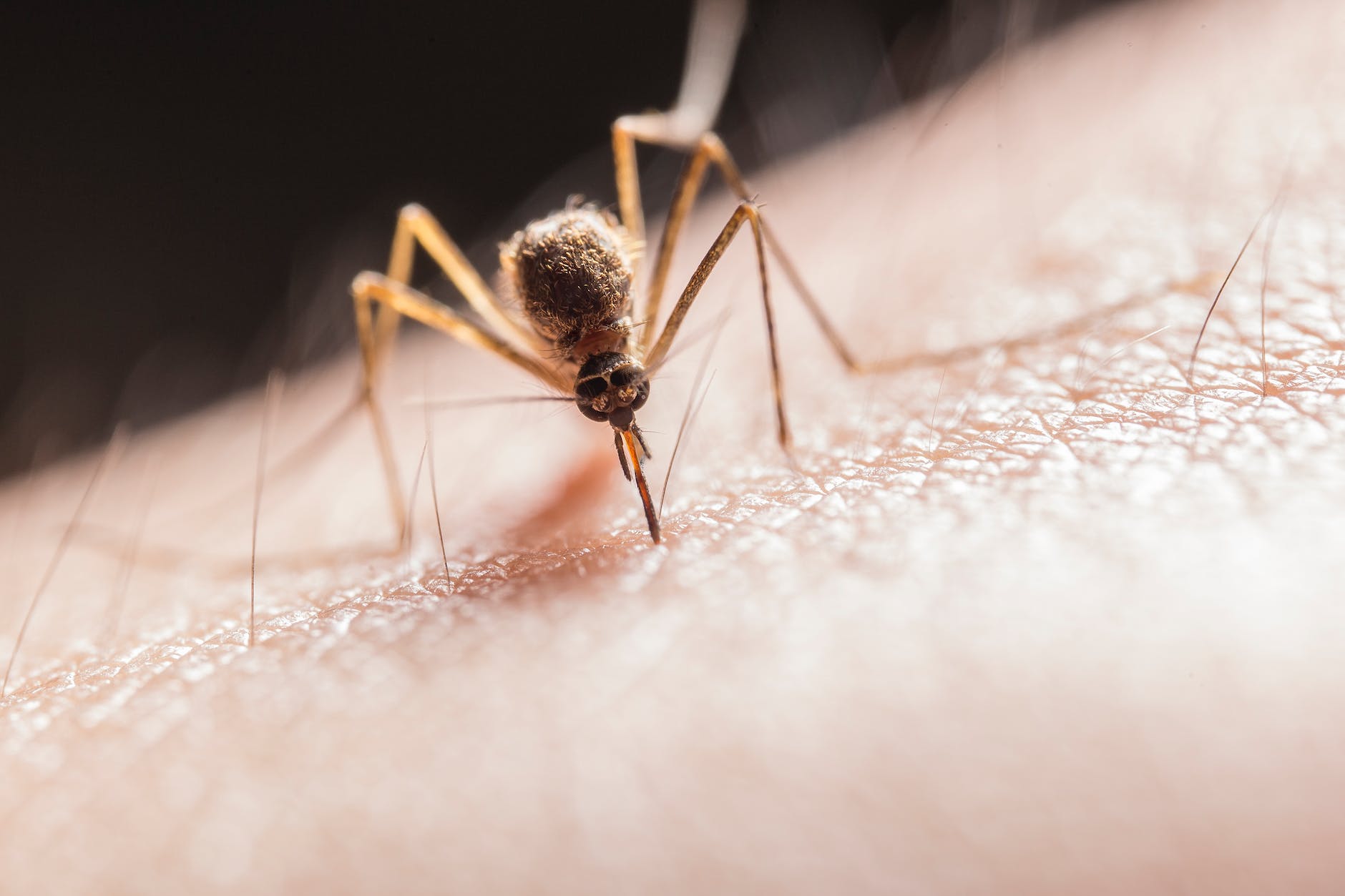
Photo by Jimmy Chan on Pexels.com

Are mosquitos a worldwide phenomenon, or just a pesky pest here in the US?

Now that it’s full-on summer — and in honor of the forthcoming July 4th festivities — here’s a tip to avoid getting bitten.

According to interestingfacts.com, beer is their favorite beverage. Read on:

“There are a few ways to avoid the itch-inducing bites of summer’s biggest pest: the mosquito. Wearing long-sleeved apparel and dousing yourself in insect repellent can help, but avoiding some beverages — particularly alcohol — might further protect you. According to a 2010 study of mosquito biting preferences, beer makes humans more attractive to the paltry pests. 

Researchers found that Anopheles gambiae, a mosquito species in the genus responsible for transmitting malaria, were more attracted to humans who had consumed beer (compared to those who consumed only water), and the results were evident as soon as 15 minutes after the humans began drinking. Other studies have produced similar findings; one examination of alcohol’s role in mosquito meal choices found that those who imbibed just one 12-ounce beer were more likely to be pestered by the insects. It’s unclear why beer primes humans to become bite victims, though some scientists believe it could be partly linked to body temperature; alcohol expands the blood vessels, a process that slightly increases the skin temperature and also makes us sweat — two factors that may attract more hungry mosquitoes.

For being such tiny insects, mosquitoes are incredibly effective in their ability to feast on larger prey. Their proboscises — aka mouths — are created from a complex system that includes six needlelike mouthparts called stylets; when a mosquito bites, the stylets are used to hunt for nearby blood vessels. That makes a mosquito’s job of finding food quick and easy work — a necessity when dinner comes with a risk of being swatted.”

— from interestingfacts.com

Why Some Foods Taste Weird

Some fascinating factoids edited from Interesting Facts.com.

1. Why does cilantro taste like soap?

Photo by Suzy Hazelwood on Pexels.com

While some people enjoy sprinkling this herb on guacamole and tacos, others can’t stand its “soapy” flavor. The reason? Genetics. According to a 2012 study, people with certain olfactory receptor genes — about 20% — are more likely to detect cilantro’s aldehydes, compounds also found in common household cleaning agents and perfumes. Feel strongly? You’re not alone: Facebook’s I Hate Cilantro page has more than 26,000 likes.

2. Why does OJ tastes horrible after you brush your teeth?

Photo by Suzy Hazelwood on Pexels.com

Blame the toothpaste ingredient sodium lauryl sulfate (SLS) which produces the foam created during brushing. SLS temporarily blocks the tongue’s sweet receptors, while also destroying compounds in saliva that suppress our bitter receptors. The result? A double-whammy for sensitive taste buds, leaving us to taste only citric acid without the oranges’ natural sweetness.

3. Why does spinach make your mouth feel strange?

Photo by Jacqueline Howell on Pexels.com

Does your mouth ever feel coated or “chalky” after eating these nutritious greens? The effect, known as “spinach tooth,” results from the vegetable’s oxalic acid and calcium; combined as we chew, they produce easily detectable crystals of calcium oxalate, which could cause problems for anyone susceptible to kidney stones. Boiling, steaming, or adding lemon juice to spinach helps offset the unpleasant mouthful that accompanies the benefits of iron, fiber, and vitamin C.

4. Why does asparagus cause stinky pee?

Photo by Aphiwat chuangchoem on Pexels.com

Think twice before serving asparagus to company! An acid found solely in this particular vegetable breaks down into sulfur byproducts upon digestion and surfaces in urine as soon as 15 minutes after eating. Not everyone detects this aroma: A 2016  study found that roughly 60% of participants didn’t smell anything funky.

5. Why do salty foods cause swelling?

Photo by Dzenina Lukac on Pexels.com

Ever overindulged in too many chips or fries? Besides feeling guilty, you may also notice swollen fingers, toes, or lips, a condition known as edema. The puffiness results from our body’s response to excess sodium: it pumps more water into our bloodstream, resulting in fluid-bloated tissue. Drinking lots of water, eating high-potassium foods, and sweating it out in the gym can help flush out bloat.

6. Why do pine nuts taste metallic?

Photo by Nisrine Said on Pexels.com

After enjoying pesto, have you experienced a metallic aftertaste that can linger for up to two weeks? After reports of “pine nut syndrome” or “pine mouth” first surfaced in Belgium, investigators followed the trail to the Far East, where seeds of the Chinese white pine (Pinus armandii) appeared to be the source of this unusual but harmless affliction. The cause is still unclear, although one professor at the University of Idaho suggested that the seeds stimulate a hormone that increases the production of bitter-tasting bile.

7. Why do citrus and sunshine cause a rash?

Photo by Ryan Baker on Pexels.com

This isn’t the result of consuming a specific food, but a possible outcome of residue lingering on hands and arms. Lemons, limes, and other citrus fruits contain chemicals called furanocoumarins which can produce poison ivy-like effects of discoloration, inflammation, and blistering when exposed to the sun’s ultraviolet rays. Technically called phytophotodermatitis, the condition is also known as “bartender dermatitis”, a reference to preparing citrus-infused cocktails in tropical locations. While prevention isn’t as simple as wiping off the juice — more thorough soap-and-water scrubbing is required — the rashes are usually treatable with cold compresses and topical creams.

And now we know!

Adding Injury to Insult

Oh what a month it’s been.

Less than a week after returning home from our “trip that wasn’t”, my husband fell and broke his wrist as well as sustaining a small but painful crack in one of his vertebrae. It’s been nonstop hospital stays, physical therapy, doc appointments, shopping for various meds and home care equipment, etc.

Hence, the lack of posts.

It’s a vivid reminder that our health is everything. And that caregivers, whether professional or family, have a really difficult job to do. Hats off to those who work in nursing and healthcare, or anyone caring for a parent or partner.

Dear older readers: Get those bone scans, keep up with annual screenings, stay active mentally and physically, and remain motivated by always having something you’re looking forward to doing in the future.

And you youngsters: Don’t be too smug; you’ll get older too, if you’re lucky!

Photo by Madison Inouye on Pexels.com

Good News Monday: Bone Up on Calcium


Taking calcium supplements before age 35 may prevent osteoporosis later in life
[John Anderer, studyfinds.com]

Photo by Anna Shvets on Pexels.com


Planning ahead can pay serious dividends in many areas of life. Now, new research out of China suggests a little bit of forward thinking when it comes to bone health can help stave off osteoporosis years down the line. Researchers report taking calcium supplements between ages 20 and 35 can help improve bone mass at peak bone mass age.

Study authors believe this work points to a new, easy way adults can proactively protect their bones from a young age, setting the stage for more robust bone health during old age. On an even more general level, researchers add young adults should pay more attention to their bone health.

“Osteoporosis and fractures are important global public health problems, particularly in elderly women,” explains lead study author Yupeng Liu, a researcher at Wenzhou Medical University’s School of Public Health and Management, in a media release. “However, although calcium supplementation has been widely used in older age to increase bone mass, a number of studies suggest that it is unlikely to translate into clinically meaningful reductions in fractures.”

“On the other hand, intervention before young adults reach peak bone density might have a greater impact on bone health and prevent osteoporosis later. There has been considerable debate about whether calcium supplementation has effects on bone health among young people, so we conducted a comprehensive review of the evidence for calcium supplement effectiveness in people under the age of 35.”

Are supplements better than the real thing?
The research team made use of previously conducted randomized controlled trials — seen as the gold standard for clinical research — to compile these findings. More specifically, they searched for trials comparing calcium or calcium plus vitamin D with a placebo or no treatment in participants under the age of 35. They also focused on results reported for bone mineral density (BMD) or bone mineral content (BMC).

In total, this project ended up encompassing 43 prior studies involving over 7,300 people. Among those 43 studies, 20 looked at dietary calcium while the other 23 focused on calcium supplementation. The team then combined all of the data to search for changes in BMD and BMC in the lumbar spine, femoral neck, total hip, and total body.

That investigation led to the conclusion that calcium supplements taken by people under 35 have significant potential to improve the BMD levels of both the total body and femoral neck. They also appear to slightly increase the BMC of the femoral neck, total body, and lumbar spine. In comparison to individuals younger than 20 (the pre–peak bone mass age), these benefits were more prominent among participants between 20 and 35 years-old (the peri–peak bone mass age when bone mass plateaus).

Importantly, both dietary sources of calcium and calcium supplements had a positive effect on femoral neck and total body BMD. However, BMC measurements of the femoral neck and lumbar spine only improved following calcium supplementation.

Vitamin D, meanwhile, was a bit of a mixed bag. A combination of calcium and vitamin D did prove more beneficial for the femoral neck bone mineral density and content, but researchers did not see the same robust benefits for BMCs of lumbar spine and total body, or total body BMD.

Moving up the ‘intervention window’
In summation, study authors believe calcium supplements have serious potential to improve both bone mineral density and content, especially in the neck, in a major way. Taking calcium supplements during peri–peak bone mass age (ages 20-35) appears to foster the strongest benefits in comparison to earlier or later in life.

“Although further trials will be needed to verify these findings, our review provides a new train of thought regarding calcium supplementation and the optimal timing of its effects,” concludes senior study author Shuran Wang, a professor at Wenzhou Medical University. “In terms of bone health and an individual’s full life cycle, the intervention window of calcium supplementation should be advanced to the age around the plateau of peak bone mass – namely at 20–35 years of age.”

The study appears in the journal eLife.

Good News Monday: Start Wining!

Admittedly, it’s pretty difficult these days to think of any good news. My brain is consumed with thoughts of Ukraine, as I’m sure yours is as well.

But if drinking a little wine is helping the world seem a little less terrifying, apparently there’s a health benefit as well. Read on, and sip with impunity.

Photo by freestocks.org on Pexels.com

Having a glass of wine with dinner may help you avoid diabetes, study says

by Study Finds

NEW ORLEANS — Enjoy a glass of vino with your meal every now and again? Turns out you might be doing your body good. Researchers from Tulane University report that drinking wine with dinner could help stave off diabetes.

Compounds in grape skin combat the metabolic disease by reducing blood sugar levels, say scientists. But drinking beer or liquor with food increases the risk.

The finding is based on data from 312,000 British residents who describe themselves as regular drinkers. Those who had a glass of wine or two — particularly red — at mealtimes were 14 percent less likely to develop the metabolic disease over the next decade.

“Drinking moderate amounts of wine with meals may prevent Type 2 diabetes if you do not have another health condition that may be negatively affected by moderate alcohol consumption and in consultation with your doctor,” says lead author Dr. Hao Ma, a biostatistical analyst at the Tulane University Obesity Research Center, in a statement.

Good news for wine drinkers

Wine is rich in healthy plant chemicals including resveratrol, which acts like an antioxidant. Red varieties are particularly abundant in the compound.

“The effects of alcohol consumption on health have been described as a double-edged sword because of its apparent abilities to cut deeply in either direction – harmful or helpful, depending on how it is consumed,” says Ma. “Previous studies have focused on how much people drink and have had mixed results. Very few studies have focused on other drinking details, such as the timing of alcohol intake.”

Moderate drinking is defined as a small glass of wine (150ml) or other alcoholic beverage daily for women, and up to two for men.

“Clinical trials have also found that moderate drinking may have some health benefits, including on glucose metabolism,” adds Ma. “However, it remains unclear whether glucose metabolism benefits translate into a reduction of type 2 diabetes. In our study, we sought to determine if the association between alcohol intake and risk of type 2 diabetes might differ by the timing of alcohol intake with respect to meals.”

The participants were tracked for about eleven years on average. They did not have diabetes, cardiovascular diseases or cancer at the outset. Their average age 56, slightly more than half were women and 95 percent were white. Those who reduced alcohol consumption due to illness, doctor’s advice or pregnancy were excluded.

During the follow-up period about 8,600 developed Type 2 diabetes. Those who drank with their meal — rather than without eating food — cut their risk by 14 percent. The potential benefit was evident only among the former group. Specific times were not collected. It was also mainly among those who drank wine rather than other types of alcohol.

Alcohol still raises risks of many other conditions

While the finding is good news for wine lovers, researchers still say consuming alcohol is best in moderation. That’s because it’s also linked to high blood pressure, obesity, stroke, breast cancer, liver disease, depression, suicide, accidents, alcohol abuse and alcoholism. The risks increase as the amount of alcohol an individual drinks rises. For some cancers and other health conditions, the risk increases even at very low levels of alcohol consumption – less than one drink daily.

The American Heart Association and the US Centers for Disease Control and Prevention (CDC) recommend that adults who do not drink alcohol should not start. Among those who drink alcohol regularly, they should talk with their doctors about the benefits and risks of consuming alcohol in moderation.

Some people should not drink at all, including women who are pregnant or trying to get pregnant, people under the age of 21 and people with certain health conditions.

Professor Robert Eckel, of the University of Colorado, who was not involved in the study, says the relationship between alcohol and Type 2 diabetes remains controversial. Eckel is a former president of the American Heart Association. “These data suggest that it is not the alcohol with meals but other ingredients in wine, perhaps antioxidants, that may be the factor in potentially reducing new-onset type 2 diabetes,” he notes. “While the type of wine, red versus white, needs to be defined, and validation of these findings and mechanisms of benefit are needed, the results suggest that if you are consuming alcohol with meals, wine may be a better choice.”

The study was presented at the American Heart Association Epidemiology, Prevention, Lifestyle & Cardiometabolic Health Conference in Chicago.

South West News Service writer Mark Waghorn contributed to this report.