Good News Monday: Nature in Review

The World Wildlife Fund reports positive developments in this otherwise hellish year.

“The last 12 months have brought hardship to every corner of the globe that we have not collectively experienced in generations. But they have also brought us closer in unexpected ways and shown us just how connected we all are; that people and nature are intrinsically linked.”

YEAR IN REVIEW
© naturepl.com / Inaki Relanzon / WWF

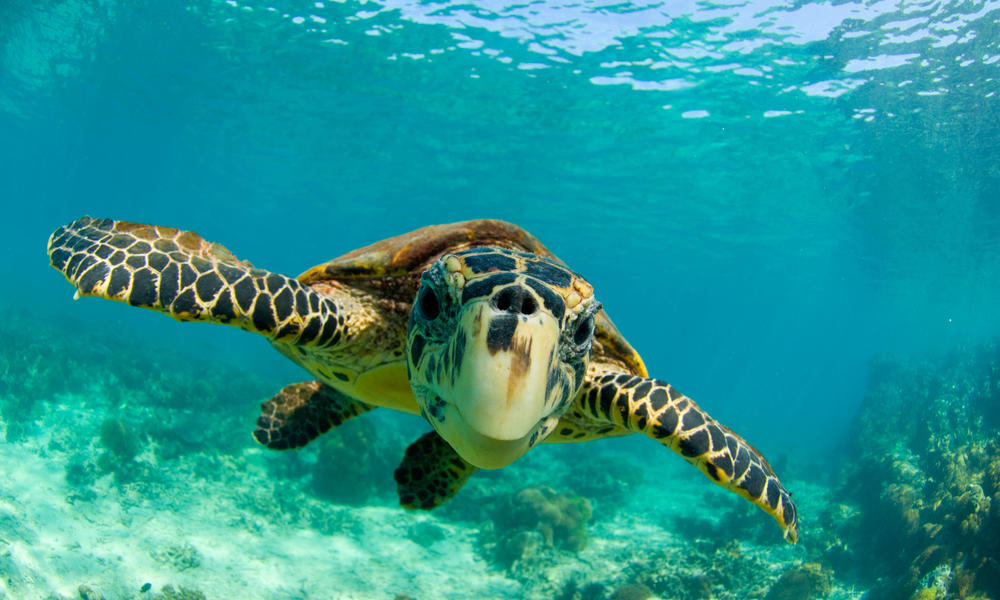
World’s first solar-powered LED fishing net helps sea turtles swim free
Hundreds of thousands of turtles are unintentionally caught by commercial fishing vessels every year. WWF partnered with the National Oceanic and Atmospheric Administration and scientist Jesse Senko of Arizona State University to design the world’s first solar-powered LED fishing net. This year, the team is working together with the manufacturer to scale and produce the nets.

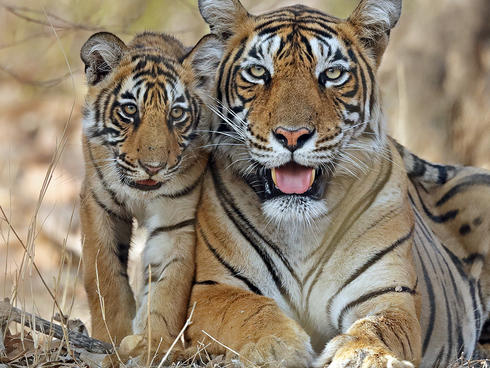
Tiger spotted at record-high elevation in Nepal 

Images from a new camera trap reveal the highest-elevation sighting of a tiger in Nepal, captured at over 8,000 feet in a densely forested area. High-altitude habitats may provide refuge for tigers and help connect their territory between Nepal and India. The finding also expands understanding of tiger habitats now that there is evidence of their use of high-altitude areas.
Bengal tiger and cub

© naturepl.com / Andy Rouse / WWF

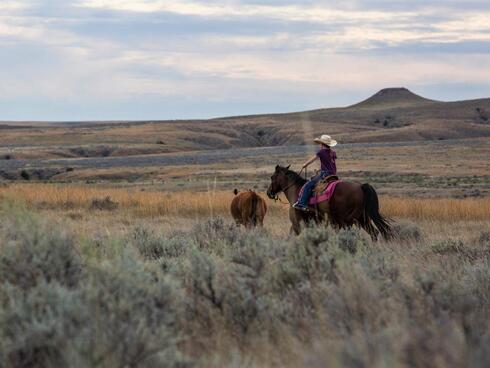
Rear view of a young girl riding a horse and wrangling a cow in a vast grassland with a hilly landscape in the background

© WWF / Becca Skinner© THOMAS SZAJNER/WWF-US

Partnering with communities and companies to invest in the future of America’s grasslands

A new project produced in collaboration with private landowners across North America’s Northern Great Plains will help improve one million acres of grassland to help fight the climate crisis. WWF joins forces with The Walmart Foundation, McDonald’s, and Cargill to invest more than $6 million in this initiative.

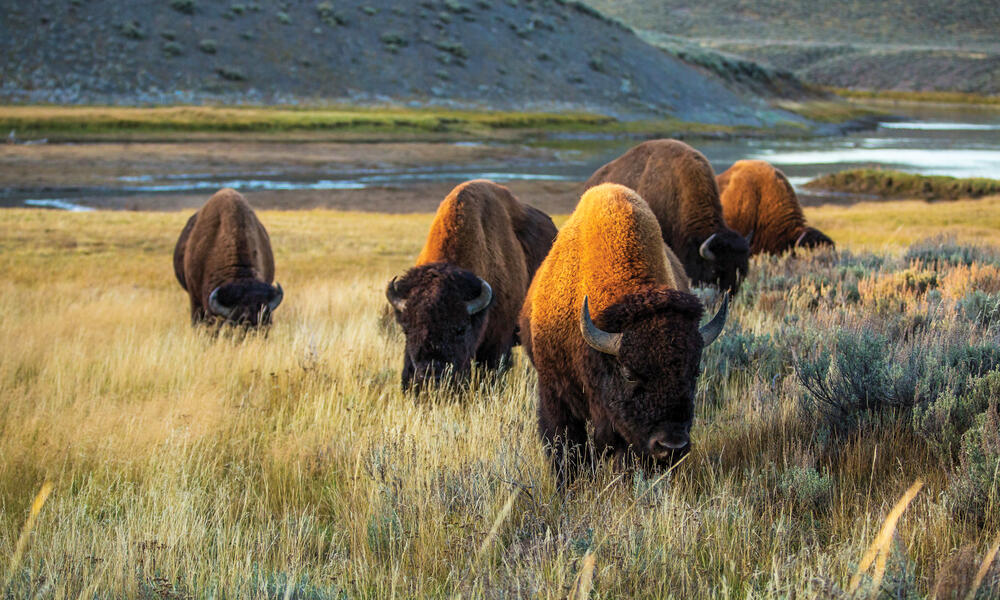
100 bison find a new home with the Rosebud Sioux Tribe

WWF partnered with the Rosebud Sioux Tribe; their economic arm, REDCO; and Rosebud Tribal Land Enterprise to secure nearly 28,000 acres for what will become North America’s largest Native-owned and managed bison herd. The new Wolakota Buffalo Range can support 1,500 bison and is a hallmark of WWF’s partnership with Native nations to develop healthy bison herds for conservation.
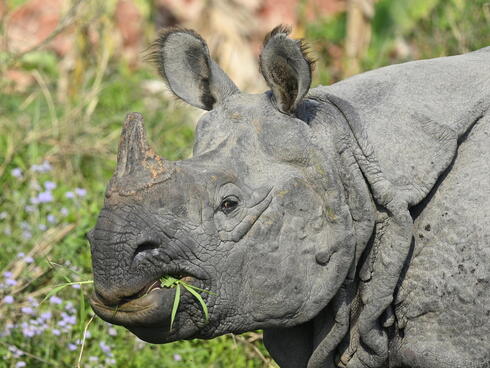
A greater one-horned rhino chews a mouthful of grass

© Gordon Congdon / WWF

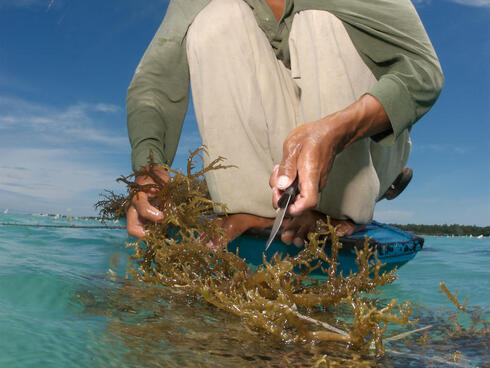
a man sits on the front of a small boat in blue waters and cuts a piece of farmed seaweed off its line

© WWF-Malaysia / Eric Madeja

Rhinos make a comeback in India’s Manas National Park

The greater one-horned rhinos in Manas National Park—their population once completely decimated by poaching—are making a comeback thanks to joint conservation efforts under the Indian Rhino Vision 2020 initiative. 

Today, there are around 3,700 greater one-horned rhinos in Asia, up from only 200 at the beginning of the 20th century.

WWF’s first impact investment: seaweed farming

WWF has invested in Ocean Rainforest, a small for-profit company that operates a seaweed nursery, farms, and processing facility around the North Atlantic’s Faroe Islands. Seaweed is a fast-growing marine vegetable that is both a nutritious food source and—because it is highly efficient at absorbing CO2—a valuable carbon sink.

The venture marks WWF-US’s first effort designed to accelerate innovative business ideas that generate positive environmental outcomes as well as financial returns.
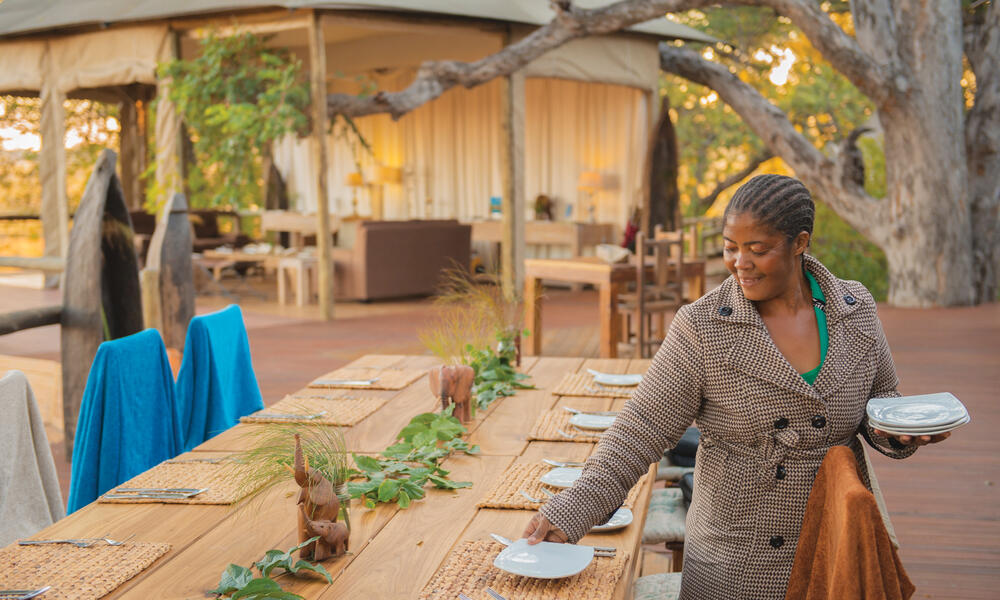
© GARETH BENTLEY/WWF-US

Namibia’s conservancies get a lifeline for people and wildlife

The COVID-19 pandemic has reached every corner of the world and has had sweeping negative impacts to people and communities, threatening lives and livelihoods.

As communities try to cope in the short term, the Namibian government, civil society, and passionate conservationists have rallied—with support from WWF and key partners—to help fill the void the pandemic has created. The Conservation Relief, Recovery and Resilience Facility (CRRRF) fund was developed—a coordinated national effort to provide immediate financial relief to Namibian conservancies affected by COVID-19.

great barrier reef aerial

© James Morgan / WWF

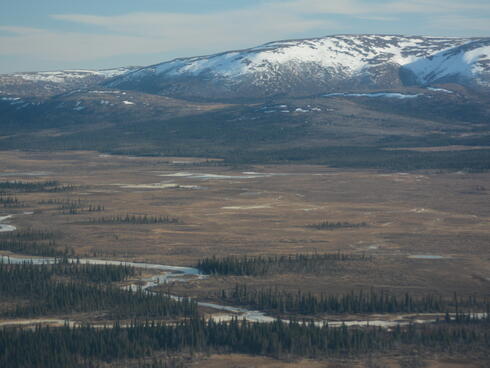
aerial view of pebble mine site

© Laura Margison / WWF-US

Working with companies to solve the plastic crisis

From coastal shores to the Arctic to coral reefs, plastic pollution negatively affects all ecosystems.

WWF analyzed the plastic use of five companies, including McDonald’s Corporation and The Coca-Cola Company, and identified just how much plastic companies were using and where it went after its disposal. Adding 100 more companies to the project could keep more than 50 million metric tons of plastic out of nature over time.

Rejection of mining permit marks important milestone in protection of Bristol Bay

The U.S. Army Corps of Engineers has denied a permit for developers to build the controversial Pebble Mine in Alaska, marking an important moment in the decade’s long effort to protect Bristol Bay. This marks a huge win in the fight to protect this iconic, biodiverse landscape.
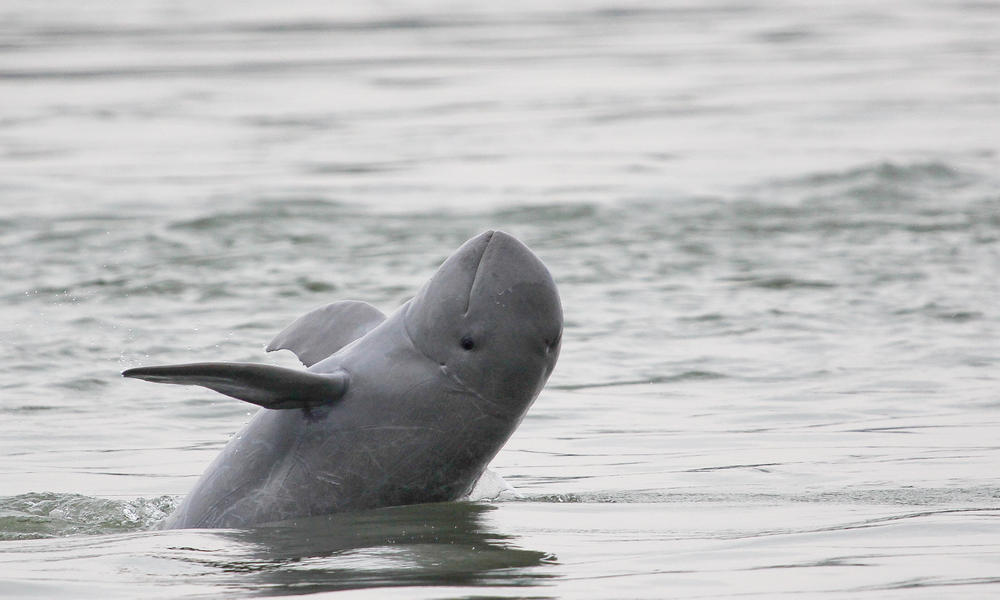
© CAMBODIA WWF/GERRY RYAN

Critically endangered Irrawaddy dolphins and the world’s most productive freshwater fishery saved from destructive dam

After years of scientific research, advocacy, and community and government engagement by WWF-Cambodia and other partners, the government of Cambodia abandoned plans to build the Sambor hydropower dam on the Mekong River and put a 10-year halt on future dam construction on the river’s main artery.

A free-flowing Mekong protects the world’s most productive freshwater fishery and supports breathtaking biodiversity, including the largest population of Irrawaddy river dolphins on Earth. WWF-Cambodia is poised to support federal development of a sustainable energy plan that promotes clean and renewable energy alternatives while keeping the mighty Mekong intact.

Seed-dispersing drones help rebuild koala populations devastated by bushfires

In response to the 2019-2020 bushfire crisis in Australia, WWF launched the largest and most innovative wildlife and nature regeneration program in the country’s history. The goal is to double koala numbers on the east coast of the country by 2050, with the hope that the recovery of this species will also benefit other local species, as well as boost the local economy of regional communities. WWF is using specialized drones to disperse eucalyptus seeds, with some models able to plant 40,000 seeds per day.
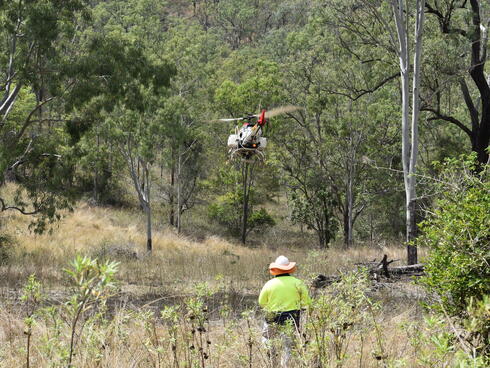
View from behind of a man flying a drone low to the ground among trees
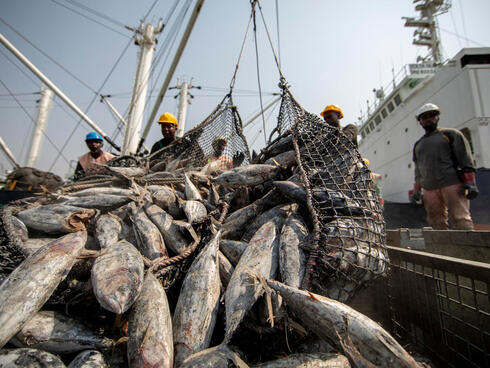
Workers unloading tuna fish catch, largely skipjack, Tema port, Ghana

© Kyle LaFerriere/WWF-US

The Global Dialogue on Seafood Traceability drafts first-ever global standards for seafood traceability

As part of an industry forum that includes more than 70 companies across the seafood supply chain, WWF released the first-ever global standards for tracking seafood products from source to sale. So far nearly 50 brands—including grocery chain Whole Foods Market—have committed to begin implementing these ocean-saving standards.

Communication

Photo by Valeriia Miller on Pexels.com

Fascinating news, shared from TheEndangeredMind622:

Kangaroos can learn to communicate with humans, researchers say

Kangaroos can learn to communicate with humans similar to how domesticated dogs do, by using their gaze to “point” and ask for help, researchers said in a study published on Wednesday.

The study involved 11 kangaroos that lived in captivity but had not been domesticated. Ten of the 11 marsupials intently gazed at researchers when they were unable to open a box with food, according to the report. Nine alternately looked at the human and at the container, as a way of pointing or gesturing toward the object.

“We interpreted this as a deliberate form of communication, a request for help,” Alan McElligott, the Irish researcher who led the study, told Reuters in a call from Hong Kong.

“Wild species are not really expected to behave as those subjects were, and that’s why it is surprising.”

The findings challenge the notion that only domesticated animals such as dogs, horses or goats communicate with humans, and suggests many more animals could grasp how to convey meaning to humans, the paper asserts.

“We’ve previously thought only domesticated animals try to ask for help with a problem. But kangaroos do it too,” concluded co-researcher Alexandra Green from the University of Sydney.

“It’s more likely to be a learned behaviour when the environment is right.”

SYDNEY, Dec 16 (Reuters). Reporting by Paulina Duran in Sydney; Editing by Karishma Singh.

………………………………..

This is all very cool. Now, my question is:

Can kangaroos teach humans how to communicate with each other???

Photo by Pixabay on Pexels.com

Good News Monday: Beginning of the End?

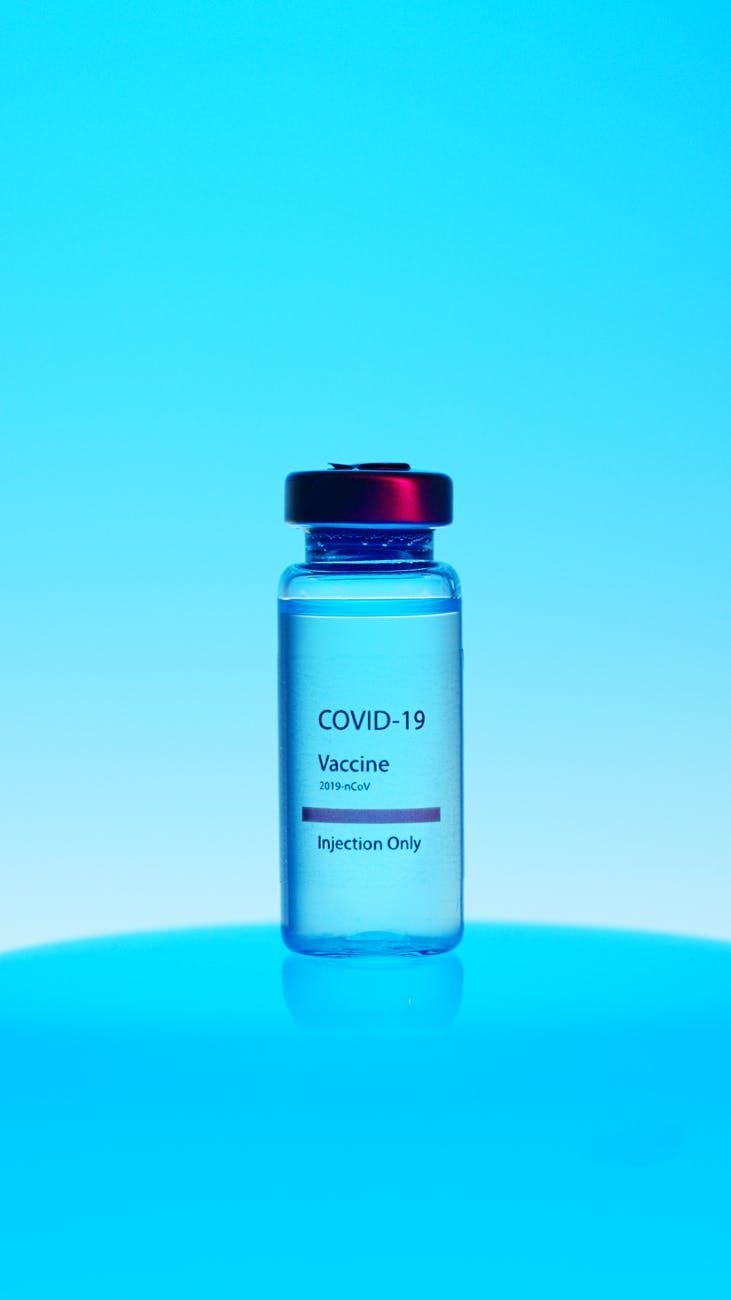
The first coronavirus vaccine was given in the U.S., opening a new, hopeful chapter in the battle against a pandemic that has ravaged the country.
Monday, December 14, 2020 9:35 AM EST
Shortly after 9 a.m. on Monday, vaccinations took place in Long Island Jewish Medical Center in Queens, N.Y. The pandemic has scarred New York State profoundly, leaving more than 35,000 people dead and severely weakening the economy.
The vaccinations started after the Food and Drug Administration’s emergency authorization of the Pfizer-BioNTech vaccine on Friday night, and as the U.S. coronavirus death toll approaches 300,000, with a steady surge in new cases daily.
Better late than never?
Photo by Karolina Grabowska on Pexels.com

The Curmudgeon Chronicles: Smartass Technology

This week, braving dreary weather, R and I visited one of our favorite wineries, where one of our favorite people manages the tasting room. She gently reminded me that I’ve been remiss in my blog posting, so Linda, this one’s for you!

Spacious tent, faux fur blankets, space heaters, wine and good company make a cozy oasis on a chilly, rainy afternoon.

Back to the topic at hand.

I’m all for smart technology, such as the dishwasher that senses when my dishes aren’t dry enough, or when I need to refill the rinsing agent so the glasses don’t have leprosy.

On the other hand, some inanimate objects seem to have been designed with a real smart-alecky attitude. Like my smartphone’s spelling “correction”, which regularly replaces perfectly good English with gibberish. Or its more obscure settings, which convey general condescension toward those of us who grew up with princess phones. (What? You can’t find that function? Bwaa-ha-ha…!)

Where does the term “smart alec” come from, you ask? (OK, you didn’t, but now don’t you want to know?)

It originates from the exploits of one Alec Hoag, an infamous con man in 1840’s New York. He and his wife Melinda, along with an accomplice known as French Jack, operated a con called the Panel Game, in which prostitutes and their pimps robbed customers. Or so says Wikipedia.

What’s next in phones, I wonder. Will the built-in camera automatically subtract 10 pounds and add hair to hairless heads? Will it flash a warning to delete a tactless text before we send it? Will it short-circuit if we drunk dial our ex-lovers or horrible bosses? Wouldn’t any of these features improve our lives more than AutoCorrect? I rest my case.

Smartass tech is poised to invade other aspects of our lives, too. Imagine a fridge equipped with auto-lock if you open it too often. Or between meals. Likewise, a scale that proudly announces your last weight. Or a mirror that self-writes helpful suggestions such as, “Time to color your hair” or “Ever considered Botox?”

Soon we’ll have self-driving cars, which could be useful for those of us who don’t have chauffeurs. But will they refuse to go somewhere they feel isn’t in our best interest, such as the racetrack or the restaurant that gave us heartburn?

The line between human and machine grows ever thinner, my fellow curmudgeons. Stay vigilant!

Good News Monday: Cyber-crazy?

Is Cyber Monday a “thing” outside of the US? My inbox is being bombarded with hundreds of panicky Buy Now! Last Chance! Special Pricing! emails today. My fingers are sore from deleting them all. And I haven’t even bought anything!

I hope all of you who celebrated Thanksgiving had a wonderful holiday. We were lucky enough to have two of our “girls” visit — one who had Covid and a subsequent positive antibody test, and another who never leaves her apartment and whose fiancé recently tested negative for Covid. Fingers crossed that nobody gets sick.

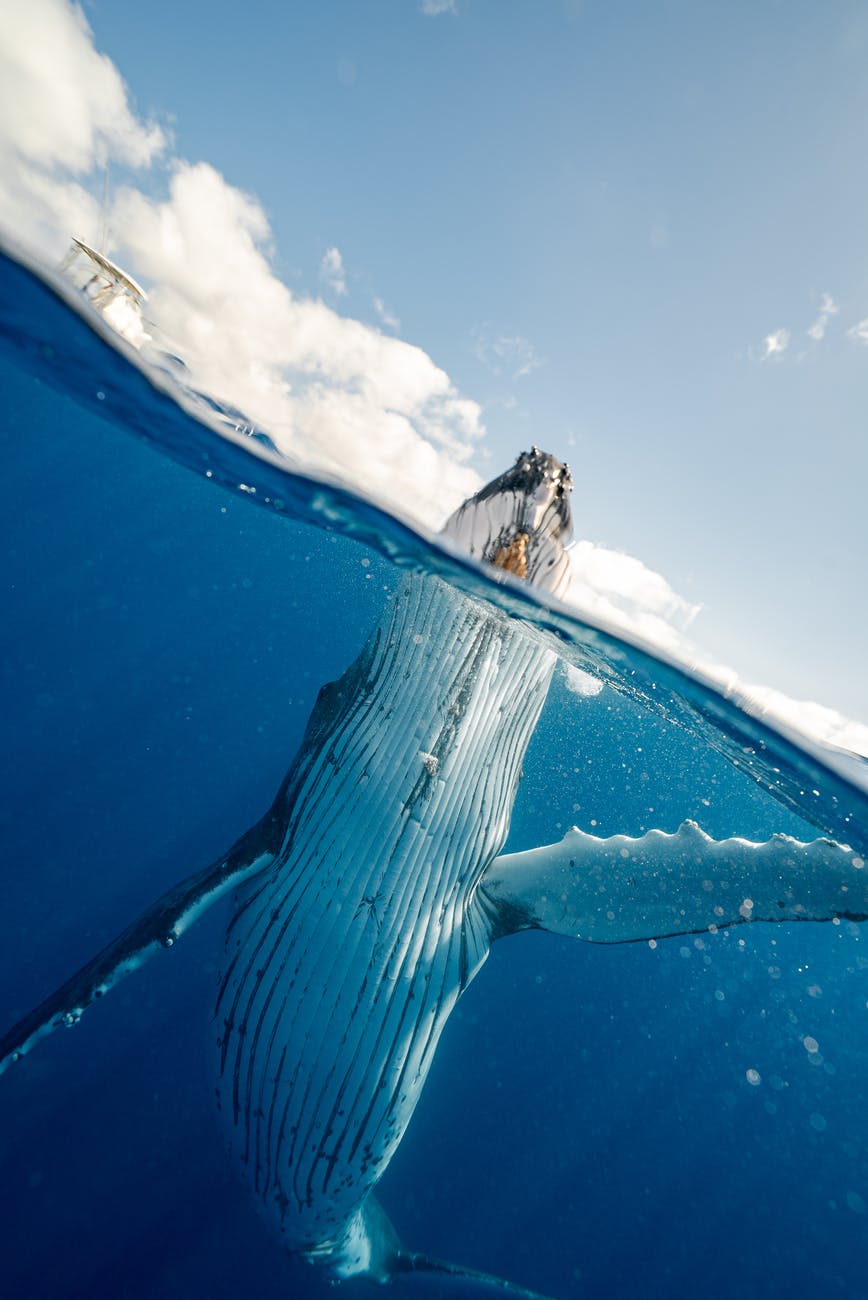
Having consumed enough food to feel positively whale-ish, the following article seemed appropriately Good Newsy for this week.

Photo by Elianne Dipp on Pexels.com

Send In the Cavalry!

Exciting news these days, as several COVID vaccines show promising results, and it looks as though antibodies in those who’ve survived the disease can last months or even years.

While we wait, it’s also good to know that both mouthwash and baby shampoo have been shown to provide additional protection. (No, we aren’t supposed to gargle with baby shampoo or put mouthwash in our hair. It’s quite straightforward.)

What I really want to see, though, are some additional, mandatory vaccines:

  • Protection against false claims of fake news, fake election results, and generally fake anything you happen to disagree with
  • A vaccine against racism, antisemitism and Holocaust denial
  • 100% protection against ignoring the reality of climate change
  • 99.9% protection against stupidity — 100% being simply unrealistic
  • A vaccine against meanspiritedness, unneighborly behavior and selfishness

And, finally, a shot that will permanently erase 2020.

Photo by Artem Podrez on Pexels.com

Good News Monday: It’s Not You, It’s Your Brain

Unhealthy, processed food, snacks
(© beats_ – stock.adobe.com)

[Reprinted from studyfinds.org]

Our brains may be wired to seek out junk food, scientists say

by Chris Melore

Share Tweet

WAGENINGEN, Netherlands — If you’ve ever snuck into your kitchen for a midnight snack, you probably know exactly where all the sweet and tasty treats are hidden with your eyes closed. Researchers in the Netherlands say this isn’t just about good memory, the human brain may actually be wired to hunt down high-calorie food. Their study finds humans are significantly better at remembering where junk foods are kept than they are with healthier options.

A team from Wageningen University & Research believes the human brain has evolved to focus on memorizing where high-calorie foods are located. Study authors theorize this allowed our hunter-gatherer ancestors to survive in tough environments with few food options.

The study tested 512 participants who were put through a sort of food-memory maze. Researchers had the group follow a fixed route through a room where eight foods or food-scented pads were strategically placed.

As each participant walked through the maze, they either tasted the food or smelled the pads. These tasty options ranged from apples and cucumbers to potato chips and chocolate brownies. The group was also asked to rate how much they like each food they encountered. Researchers then gave the volunteers a surprise quiz on where these snacks were located.

Junk food more appealing to our mind, too

The results reveal the group was 27 percent more accurate at picking the right locations of high-calorie foods than low-calorie options. Participants were even better with food scents, spotting high-calorie pads with 28 percent more accuracy than low-calorie ones.

Researchers report that the results weren’t affected by whether the high-calorie snack was sweet or savory. It also didn’t seem to matter if the participants liked the foods or not. Overall, people were 2.5 times (or 243 percent) better at memorizing where actual food was compared to food-scented pads.

Is there a downside to this skill?

While this ability likely served humans well in the distant past, the study suggests it could lead to problems today. Researchers hint that the memory bias towards high-calorie foods can create dieting issues for many people.

They add that brains which can resist the urge to hunt down sweeter snacks will likely avoid these dieting problems. Researchers are now looking at how the high-calorie memory bias affects present day eating habits.

The study appears in Scientific Reports.

Random Good Things About Friday the 13th

Happy Friday the 13th! I’m reblogging a post from a couple of years ago.

adguru101's avatarolderfatterhappierdotcom

It’s safer

According to the Dutch Center for Insurance Statistics, Friday the 13th is actually statistically safer than other Fridays — there are fewer accidents and reports of fire and theft on these days. Is that only true in the Netherlands, though?

The first dinosaur eggs were found

Roy Chapman Andrews discovered the first dinosaur eggs at a dig in Mongolia, on July 13, 1923, a huge breakthrough in paleontology and a generally cool thing.

Gender discrimination became illegal in government

Although Title VII prevented private employers from discrimination based on race, color, religion, national origin and sex, it wasn’t until Executive Order 11375 that gender discrimination became illegal for the federal government and federal contractors. President Johnson signed the order — officially titled Amending Executive Order No. 11246, Relating to Equal Employment Opportunity — on October 13, 1967.

Now we need a law prohibiting stupidity in government.

Water was…

View original post 179 more words