Tag Archives: healthy eating

Good News Monday: “Processed” Isn’t Always Bad

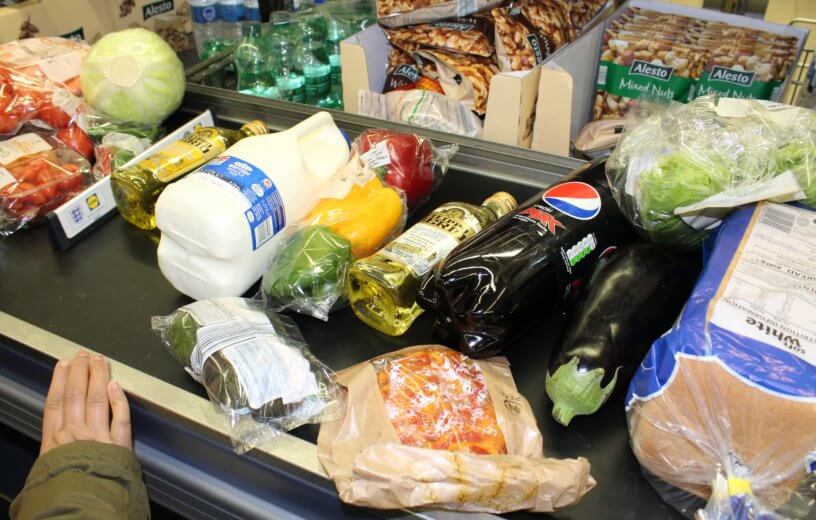
groceries on a checkout line
Groceries on a checkout line

From StudyFinds.com

Believe it or not, lots of processed foods are highly nutritious

by Shyla Cadogan, RD

“Stop eating processed food!” Have you heard that before from your favorite wellness guru? Usually in the next video, that same person is eating Greek yogurt with honey on top. However, did you know these are two processed foods?

Don’t be misled by people who view all processed foods as the same thing. Although they might mean well, the oversimplification can be dangerous. Not all processed foods are the same, and some are much healthier than a can of Pringles or TV dinners.

What is processed food?

By definition, this describes any food that has been altered in some manner. It could be as simple as freezing vegetables. This is not to be mixed up with the societal definition of “processed food,” which is more so referring to stuff like chips, cakes, and pies.
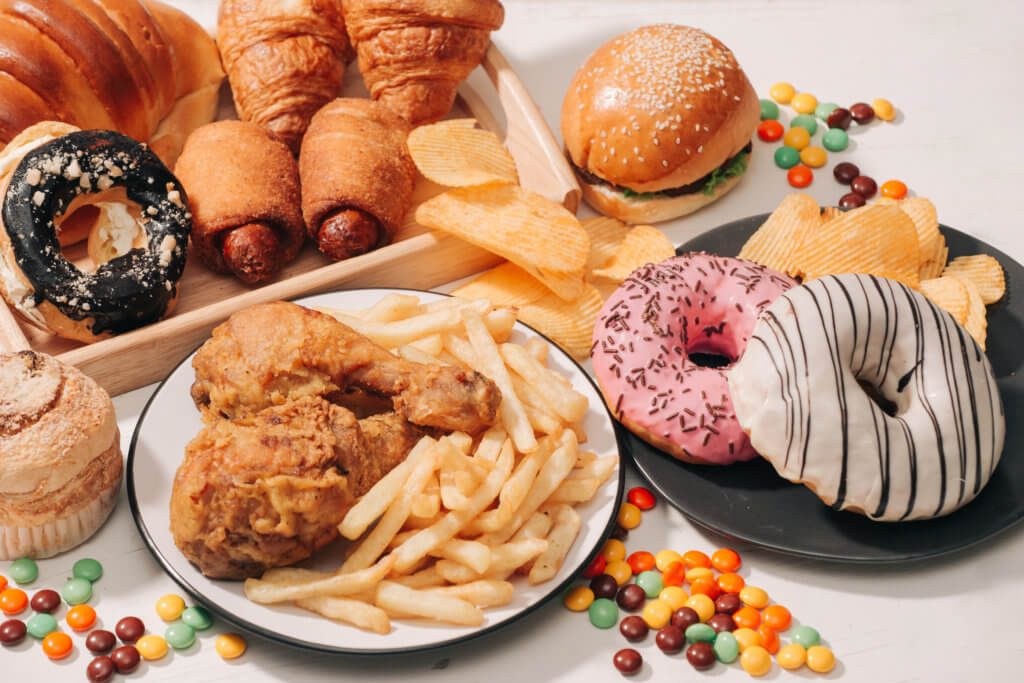
Junk food and processed food
(© makistock – stock.adobe.com)

Levels of Processing

We tend to lump all processed food together as one thing, but in reality, there are levels of processing that are put in place in order to accurately distinguish between a vegetable and a slice of chocolate cake. The NOVA classification system is the most popular way to classify processed foods.

Group 1: Unprocessed and minimally processed foods

Unprocessed foods are the edible parts of fruits, vegetables, and other plant foods as well as animal foods like eggs. Minimally processed food describes the removal of inedible or undesirable parts of natural foods through means of crushing, roasting, filtering, boiling, pasteurizing (think about milk), etc.

Group 2: Processed culinary ingredients

This includes ingredients like oils, butter, lard, sugar, and salt. All are derived from group 1 foods and made into processed ingredients.

Group 3: Processed foods 

Canned beans and vegetables, sardines in oil, fresh breads, bacon, and other similar meats are included in this category.

Group 4: Ultra-processed foods

Ultra-processed foods undergo the heaviest levels of processing. These are foods like sodas, high-fat snack foods, and desserts that we are all familiar with when we hear the phrase “processed food.” Colors, flavors, emulsifiers, and other food additives are typically used to make the final product tasty and keep you coming back for more.
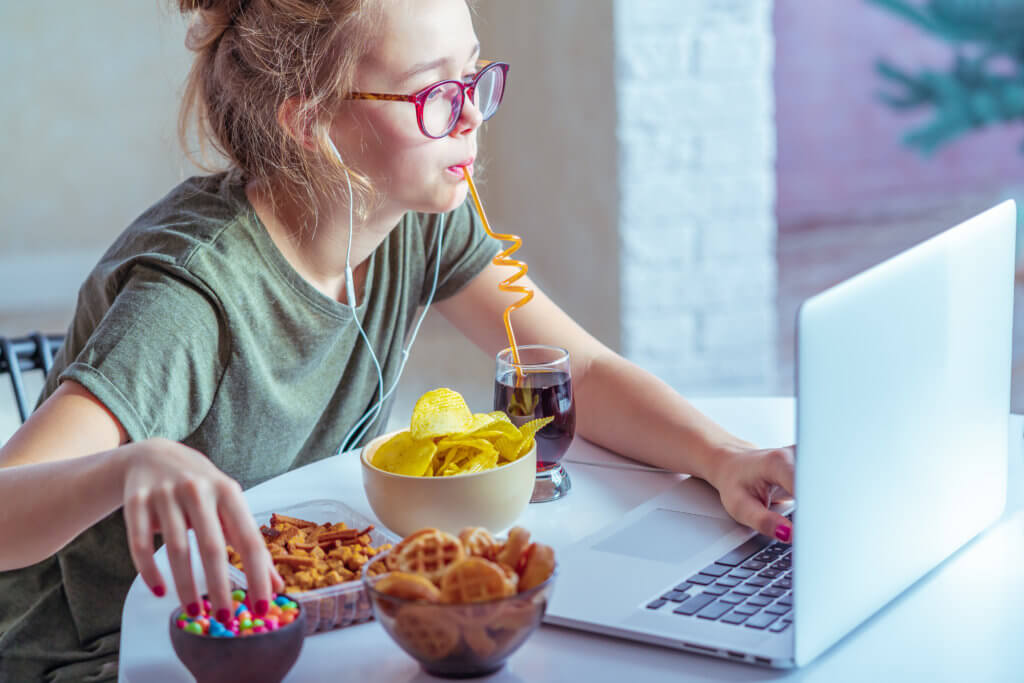
Woman eating snacks and junk food while working at desk
(© Juliaap – stock.adobe.com)

So which processed foods are good for you?

After breaking down the classifications, it’s clear that even the milk in your fridge and the black beans in your pantry are considered “processed.” This does not negate their nutrition and so the assumption that all processed foods are unhealthy is flawed.

“Stop eating processed food,” being the most common thing pushed by health and wellness gurus also just isn’t realistic for the average person. It is barely realistic for the person saying it. Canned fish, neatly packaged cuts of meat, rolled oats, and chopped vegetables are all processed foods that are not only highly nutritious but convenient for people to include in their diets because they are processed. Who has the time and energy to go find and gut their own salmon for dinner? Not most people.

People with low incomes and living in food deserts may also struggle to buy anything else except for canned vegetables and fruits for their families. Are we to tell them that it all needs to be fresh and from the highest quality source even if it comes at a great expense?

Let’s change our language

Instead, it’s more appropriate to specify that limiting ultra-processed snacks, fast food, desserts, and sodas is what is important. Even still, “limit” is the keyword here. It is not within everybody’s social or financial means to completely cut out TV dinners if they have no time to feed their kids anything else. It is also not necessary nor realistic to tell people to never eat a donut again in their lives. Striking a healthy balance that prioritizes whole fruits, vegetables, proteins, and carb sources is what matters most.

Bottom Line

Not all processed food is the same. Processed food being called unhealthy and being demonized isn’t warranted considering nutritious foods like frozen blueberries are processed. There are different levels of processing. Foods like sweets, salty snacks, and meals are ultra-processed. By lumping all processed foods as one, it removes the necessary nuance and ignores the needs of vulnerable populations, such as those who live in food deserts and struggle with food insecurity.

Good News Monday: The New Healthy Eating

I was happy to read that the Mediterranean diet, newly repurposed as the MIND diet, is said to help prevent dementia. To no one’s surprise, it emphasizes fresh fruit and veggies, whole grains, olive oil, fish, etc.

I can’t help wondering, though, why no one is touting the MINDLESS diet, which has been proven to help prevent depression.

This classic meal plan, first discovered during those critical, formative teenage years, is equally helpful in attaining mindless hedonism in adulthood. Its key components are:

  • 1 bag of chips per day
  • 1 pint of ice cream twice weekly (do not substitute ice milk or frozen yogurt); extra benefit from additions such as chocolate chips, fudge, and salted caramel
  • 2 cocktails per evening
  • 1 bottle of wine per dinner (serves 2)
  • French fries (actually, fried anything)
  • Include plenty of fresh bread, cookies, pies, cakes and pastries
  • Level up to vegetable stir fry or tempura – so much more festive than raw or steamed veggies
  • Remember the 3 P’s: Pasta, Potatoes, Pizza
  • At least monthly: savor an ample cheese board with brie, goat cheese, Stilton, cheddar (may substitute grilled cheese on buttered bread as desired)
  • Dessert twice daily, preferably with whipped cream
Photo by Teejay on Pexels.com

Enjoy! With the world in the mess it’s in, we need all the comfort food we can get

Why Some Foods Taste Weird

Some fascinating factoids edited from Interesting Facts.com.

1. Why does cilantro taste like soap?

Photo by Suzy Hazelwood on Pexels.com

While some people enjoy sprinkling this herb on guacamole and tacos, others can’t stand its “soapy” flavor. The reason? Genetics. According to a 2012 study, people with certain olfactory receptor genes — about 20% — are more likely to detect cilantro’s aldehydes, compounds also found in common household cleaning agents and perfumes. Feel strongly? You’re not alone: Facebook’s I Hate Cilantro page has more than 26,000 likes.

2. Why does OJ tastes horrible after you brush your teeth?

Photo by Suzy Hazelwood on Pexels.com

Blame the toothpaste ingredient sodium lauryl sulfate (SLS) which produces the foam created during brushing. SLS temporarily blocks the tongue’s sweet receptors, while also destroying compounds in saliva that suppress our bitter receptors. The result? A double-whammy for sensitive taste buds, leaving us to taste only citric acid without the oranges’ natural sweetness.

3. Why does spinach make your mouth feel strange?

Photo by Jacqueline Howell on Pexels.com

Does your mouth ever feel coated or “chalky” after eating these nutritious greens? The effect, known as “spinach tooth,” results from the vegetable’s oxalic acid and calcium; combined as we chew, they produce easily detectable crystals of calcium oxalate, which could cause problems for anyone susceptible to kidney stones. Boiling, steaming, or adding lemon juice to spinach helps offset the unpleasant mouthful that accompanies the benefits of iron, fiber, and vitamin C.

4. Why does asparagus cause stinky pee?

Photo by Aphiwat chuangchoem on Pexels.com

Think twice before serving asparagus to company! An acid found solely in this particular vegetable breaks down into sulfur byproducts upon digestion and surfaces in urine as soon as 15 minutes after eating. Not everyone detects this aroma: A 2016  study found that roughly 60% of participants didn’t smell anything funky.

5. Why do salty foods cause swelling?

Photo by Dzenina Lukac on Pexels.com

Ever overindulged in too many chips or fries? Besides feeling guilty, you may also notice swollen fingers, toes, or lips, a condition known as edema. The puffiness results from our body’s response to excess sodium: it pumps more water into our bloodstream, resulting in fluid-bloated tissue. Drinking lots of water, eating high-potassium foods, and sweating it out in the gym can help flush out bloat.

6. Why do pine nuts taste metallic?

Photo by Nisrine Said on Pexels.com

After enjoying pesto, have you experienced a metallic aftertaste that can linger for up to two weeks? After reports of “pine nut syndrome” or “pine mouth” first surfaced in Belgium, investigators followed the trail to the Far East, where seeds of the Chinese white pine (Pinus armandii) appeared to be the source of this unusual but harmless affliction. The cause is still unclear, although one professor at the University of Idaho suggested that the seeds stimulate a hormone that increases the production of bitter-tasting bile.

7. Why do citrus and sunshine cause a rash?

Photo by Ryan Baker on Pexels.com

This isn’t the result of consuming a specific food, but a possible outcome of residue lingering on hands and arms. Lemons, limes, and other citrus fruits contain chemicals called furanocoumarins which can produce poison ivy-like effects of discoloration, inflammation, and blistering when exposed to the sun’s ultraviolet rays. Technically called phytophotodermatitis, the condition is also known as “bartender dermatitis”, a reference to preparing citrus-infused cocktails in tropical locations. While prevention isn’t as simple as wiping off the juice — more thorough soap-and-water scrubbing is required — the rashes are usually treatable with cold compresses and topical creams.

And now we know!

Junk Food Junkies

Need help following your New Year’s resolution to eat healthier food? Move to the UK, where apparently they will do this for you! (You might take this with a grain of salt, except it’s also on the watch list.)

Thanks to TheEnlightenedMind622 blog for another eye-opener.

The U.K. Uses COVID-19 to Justify More Nanny State Junk Food Crackdowns

Bans on ads, displays, refills, and buy-one-get-one-free offers

by SCOTT SHACKFORD 

britishcandy_1161x653

(Composure / Dreamstime.com)

The United Kingdom has been attacking its citizens’ food choices for years and now the government is using the coronavirus pandemic as an excuse for a new crackdown.

On Monday, the U.K.’s Department of Health and Social Care announced a pack of new regulations that will be implemented in April 2022 to restrict junk food promotions.

In 2018, London implemented a ban of junk food advertising that was written so broadly that it forbid promotion of all sorts of normal foods (like butter, olive oil, and canned fruit) not because those items were unhealthy but because they had sugar, salt, or fat levels beyond government-approved thresholds.

The U.K. now plans a nationwide ban on television advertisements for what it calls “junk food” before 9 p.m. And that’s not the only new regulation. Also on the list:

  • Retailers will not be permitted to offer “buy one, get one free” promotions (or similar offers) for foods the government deems unhealthy.
  • Retails will not be permitted to display these unhealthy foods for promotioal purposes near checkout counters, near the front of the store, or on the ends of aisles.
  • Retailers will not be permitted to promote unhealthy foods on the entry or landing pages of their websites.
  • Free refills of sugary drinks will be banned at restaurants.

“We know families want to be presented with healthier choices,” said Public Health Minister Jo Churchill. “This is why we are restricting promotions and introducing a range of measures to make sure the healthy choice is the easy choice.” They’re going to make it the “easy choice” by deliberately bringing about economic harm to any competing choices!

The government claims that the British people have an obesity problem—more than 63 percent of adults and a third of elementary school children are overweight. Because the United Kingdom has socialized medicine through the National Health Service (NHS), this means the healthcare costs associated with obesity, which are estimated to be 6 billion pounds annually ($8 billion), are everybody’s problem.

The U.K. government can’t seem to acknowledge or accept the idea that people are voluntarily and willingly making bad choices. This Nanny State mentality means that the government must lay the blame on those who sell or advertise unhealthy food.

“Promotions often appear to help shoppers save money,” the agency explained in its press release. “However, data shows that these deals actually increase purchases of promoted products by almost 20%. They encourage people to buy more than they need or intended to buy in the first place.”

But people always need food. If you buy more food than you “need or intended to buy in the first place” you can usually save it for the future. That is what sales, promotions, and other low-pricing deals accomplish. They allow people to stock up and store food. That’s particularly important when governments everywhere are trying to discourage people from gathering in public places due to the pandemic.

Speaking of COVID-19, even though the U.K.’s food nannyism has been building for years, British officials can’t help but try to use the coronavirus as a justification for their actions: “The COVID-19 pandemic has brought to the fore the impact that obesity can have on people’s health and health outcomes.”

Snowdon notes that a ban on buy-one-get-one-free promotions could cost the average family more than 600 pounds (more than $800) a year by the government’s own estimate. That means that British officials are trying to deliberately force up the cost of unhealthy foods because they think this will force people to choose healthier alternatives.

But that’s just not what happens. Instead, shoppers will turn to black markets. Driving up the price of sodas in Philadelphia with a special tax, for example, did not affect how much soda that people drank. Lots of people there just avoided the taxes by buying their soda elsewhere.

What will U.K. health authorities do when their latest tactics fail to make people eat better? A cynic might assume they’re already planning out even more new rules that are doomed to fail.

Good News Monday: Cooking During COVID

I can’t remember the last time we ate at a restaurant. By which I mean inside, not grabbing takeout. I’m all for cooking at home but it’s begun to feel a little, well, punitive.

So I was happy to read that being forced to cook more during lockdown has an upside: developing healthier eating habits, according to preliminary results from a worldwide Corona Cooking Survey.

11,000 people in 11 countries have weighed in, reporting fewer purchases of microwave foods and sweet or salty snacks. At the same time, consumers say they’re eating more fruits and veggies, wasting less food, and eating more leftovers.

“Consumption of salty, fat and sweet products usually goes up when people are under stress, but during the pandemic this heightened craving has been fulfilled in many countries with home-baked delicacies,” said Charlotte De Backer, chairman of FOOMS, a research group on food and media at U. Antwerp.

She probably didn’t mean this as a license to go crazy making endless batches of cookies but hey, the very act of baking is a terrific stress reliever. One takes solace where one finds it.

De Backer expects some of these new eating habits to outlast the pandemic, because the lockdowns have been longer than the six weeks it takes to form a new habit.

FOOMS posts updates on the Corona Cooking Survey research on their Facebook page, and anyone who’s interested in participating can take the survey on the U. Antwerp website.

If only I had a recipe for broccoli brownies.