Tag Archives: studyfinds.com

Love Bandits

AI helps scammers steal thousands from those looking for love online

[from StudyFinds.com]

Photo by ThisIsEngineering on Pexels.com

Artificial intelligence could be targeting you on texts, social media and dating apps.

Some victims lost thousands of dollars to people they thought were real women but turned out to be fakes. The people behind the scheme were stealing their cash and hearts.

“Hey, hey honey, you’re the best,” says a woman who may look real to some, but two security experts say the video is heavily filtered, with unnatural eyes and the chin blending into a neck.

Jim, who asked us to not use his last name, had recently been talking to a woman who convinced him to make an investment.

“And then one day she’s like, ‘Honey, I love you’, and I’m like ‘What?’ and she goes, ‘I have fallen in love with you’. And I said, ‘Well, I’m old enough to be your dad.’ And she said, ‘Well, that doesn’t matter. We have a lot in common,'” he said.

She also sent photos and what appears to be a sketch of herself and Jim together.

Jim initially met her after getting a mysterious text message. He thought they had a friend in common. He said he wasn’t looking to date.

“She goes, ‘I’ve never met anybody to be my equal. You and I have a super lot in common.’ And she’s had an uncle who was on the board for the stock exchange in Hong Kong,” said Jim.

He was convinced to send $60,000 to invest in the stock exchange. He said he lost most of it because the investment tanked. Then, the woman opened up an overseas crypto account in his name, but when Jim tried to take that money out, he was going to be charged thousands in upfront tax fees. Experts say it’s a scam.

“I figured, ‘What the heck, I’ll try somebody online. It couldn’t hurt’. I was wrong, it could,” Jim said.

Another suburban man, also named Jim, was duped by fake photos as well. He asked us not to show his face.

“I’m asked literally everyday by two or three women online, for money,” he said.

He was looking for love online and instead lost thousands of dollars sending gift cards to the people behind these fake and altered photos. He thought the women holding up love messages to him were interested.

“I would say she probably got about $2,000. One day, she got $300 for air fare, $250 for babysitter and $50 for her kids’ game cards or maybe even $100,” he said.

Security and technology experts at Bitdefender and NordVPN studied all of the pictures and videos. They say behind this filtered face could be anyone.

“We miss micro emotions or movements in in the face, so it does, does not feel exactly right,” said Adrianus Warmenhoven of NordVPN.

They confirmed that the pictures and videos are all fake or altered in some way.

“You usually see that hair is not natural. Either it has this halo effect, or it blends into a different color. There are artifacts where the hair meets the background the hair looks little thick,” said Bogdan Botezatu of BitDefender.

Experts also spotted generated faces on bodies and different shaped hands, like the hands holding up those signs saying “I love you, Jim.”

“Those pictures and that handwritten notes which actually were not handwritten,” said Warmenhoven.

The words are likely computer generated. Experts say you should also look for uneven tooth shapes or earrings that look unusual.

“But AI cannot render them symmetrically in a good enough manner. So one of the earrings will be missing, or will have a different size,” Botezatu added.

Dating experts say another red flag is a romance that moves too fast.

“You go from one text to three weeks later or three random texts that they love you, or they want to know more about your family, so they’re taking all your information and kind of calculating how much money you have,” said Lisa Galos of Matchmake Chicago.

Scammers may also be use texting apps instead of a real phone number, so if you meet someone online, try meet in a safe, public place soon after.

“If you really are sincere about dating that person, go from that to let’s meet for coffee, offer three times they can meet, they’re gonna pick one and they’ll show up,” Galos said.

Both men say they’ve learned to never trust strangers with their finances no matter how convincing the stories or pictures may be.

“I’m much smarter than this. And it’s just my desire to have somebody in my life, finally, that made me really do something that was stupid and let somebody take advantage of me, I’ve never done that before,” Jim admitted.

AI scammers may also use endearing terms like “babe” and “honey” instead of your real name, because they are using the same messages for multiple people.

Unfortunately these types of romance scams, with or without AI, have gotten worse. Recent numbers from the Federal Trade Commission shows $1.3 billion was lost in 2022.




All in Your Head?

Photo by Nathan Cowley on Pexels.com

Hypochondriacs still wind up living shorter lives than the rest of us

— The Conversation

People who worry excessively about their health tend to die earlier than those who don’t, a recent study from Sweden has found. It seems strange that hypochondriacs who, by definition, worry yet have nothing wrong with them, should enjoy shorter lifespans than the rest of us. Let’s find out more.

First, a word about terminology. The term “hypochondriac” is fast becoming pejorative. Instead, we medical professionals are encouraged to use the term illness anxiety disorder (IAD). So, to avoid triggering our more sensitive readership, we ought to use this term.

We can define IAD as a mental health condition characterized by excessive worry about health, often with an unfounded belief that a serious medical condition is present. It may be associated with frequent visits to a doctor, or it may involve avoiding them altogether on the grounds that a real and quite possibly fatal condition might be diagnosed.

The latter variant strikes me as quite rational. A hospital is a dangerous place and you can die in a place like that.

IAD can be quite debilitating. A person with the condition will spend a lot of time worrying and visiting clinics and hospitals. It is costly to health systems because of time and diagnostic resources used and is quite stigmatizing.

Busy healthcare professionals would much rather spend time treating people with “real conditions” and can often be quite dismissive. So can the public.

Now, about that study

The Swedish researchers tracked around 42,000 people (of whom 1,000 had IAD) over two decades. During that period, people with the disorder had an increased risk of death. (On average, worriers died five years younger than those who worried less.) Furthermore, the risk of death was increased from both natural and unnatural causes. Perhaps people with IAD have something wrong with them after all.

People with IAD dying of natural causes had increased mortality from cardiovascular causes, respiratory causes and unknown causes. Interestingly, they did not have an increased mortality from cancer. This seems odd because cancer anxiety is rife in this population.
The principal cause of unnatural death in the IAD cohort was from suicide, with at least a fourfold increase over those without IAD.

So how do we explain these curious findings?

IAD is known to have a strong association with psychiatric disorders. As suicide risk is increased by psychiatric illness, then this finding seems quite reasonable. If we add in the fact that people with IAD may feel stigmatized and dismissed, then it follows that this may contribute to anxiety and depression, leading ultimately to suicide in some cases.

The increased risk of death from natural causes seems less easy to explain. There may be lifestyle factors. Alcohol, smoking and drug use are more common in anxious people and those with a psychiatric disorder. It is known that such vices can limit one’s longevity and so they may contribute to the increased mortality from IAD.

IAD is known to be more common in those who have had a family member with a serious illness. Since many serious illnesses have a genetic component, there may be good constitutional causes for this increase in mortality: lifespan is shortened by “faulty” genes.

What can we learn?

Doctors need to be alert to the underlying health problems of patients and must listen with greater care. When we are dismissive of our patients, we can often be badly caught out. People with IAD may well have a hidden underlying disorder – an unpopular conclusion, I accept.

Perhaps we can illustrate this point with the case of the French novelist, Marcel Proust. Proust is often described by his biographers as a hypochondriac, yet he died in 1922 at the age of 51 at a time when the life expectancy of a Frenchman was 63.

During his life, he complained of numerous gastrointestinal symptoms such as fullness, bloating and vomiting, yet his medical attendants could find little wrong. In fact, what he described is consistent with gastroparesis.

This is a condition in which motility of the stomach is reduced and it empties more slowly than it should, causing it to overfill. This can lead to vomiting and with that comes a risk of inhaling vomit, leading to aspiration pneumonia and Proust is known to have died of complications of pneumonia.

Finally, a word of caution: writing about IAD can be quite risky. The French playwright Molière wrote Le Malade Imaginaire (The Imaginary Invalid), a play about a hypochondriac called Argan who tries to get his daughter to marry a doctor in order to reduce his medical bills. As for Molière, he died at the fourth performance of his work.

Mock hypochondriacs at your peril.

Stephen Hughes, Senior Lecturer in Medicine, Anglia Ruskin University

Good News Monday: “Processed” Isn’t Always Bad

groceries on a checkout line
Groceries on a checkout line

From StudyFinds.com

Believe it or not, lots of processed foods are highly nutritious

by Shyla Cadogan, RD

“Stop eating processed food!” Have you heard that before from your favorite wellness guru? Usually in the next video, that same person is eating Greek yogurt with honey on top. However, did you know these are two processed foods?

Don’t be misled by people who view all processed foods as the same thing. Although they might mean well, the oversimplification can be dangerous. Not all processed foods are the same, and some are much healthier than a can of Pringles or TV dinners.

What is processed food?

By definition, this describes any food that has been altered in some manner. It could be as simple as freezing vegetables. This is not to be mixed up with the societal definition of “processed food,” which is more so referring to stuff like chips, cakes, and pies.

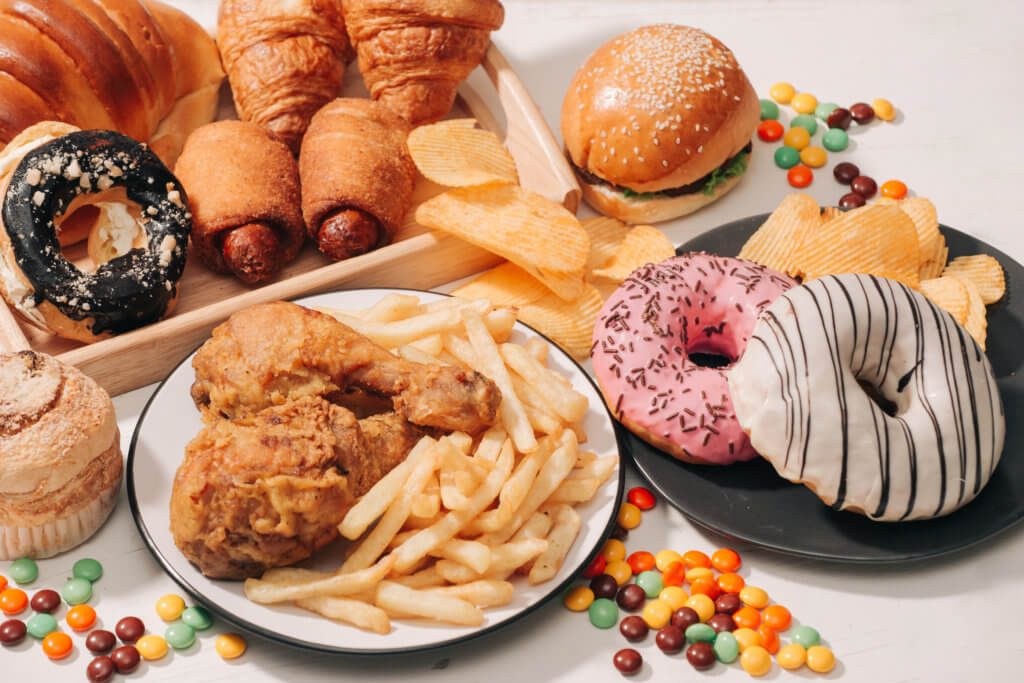
Junk food and processed food
(© makistock – stock.adobe.com)

Levels of Processing

We tend to lump all processed food together as one thing, but in reality, there are levels of processing that are put in place in order to accurately distinguish between a vegetable and a slice of chocolate cake. The NOVA classification system is the most popular way to classify processed foods.

Group 1: Unprocessed and minimally processed foods

Unprocessed foods are the edible parts of fruits, vegetables, and other plant foods as well as animal foods like eggs. Minimally processed food describes the removal of inedible or undesirable parts of natural foods through means of crushing, roasting, filtering, boiling, pasteurizing (think about milk), etc.

Group 2: Processed culinary ingredients

This includes ingredients like oils, butter, lard, sugar, and salt. All are derived from group 1 foods and made into processed ingredients.

Group 3: Processed foods 

Canned beans and vegetables, sardines in oil, fresh breads, bacon, and other similar meats are included in this category.

Group 4: Ultra-processed foods

Ultra-processed foods undergo the heaviest levels of processing. These are foods like sodas, high-fat snack foods, and desserts that we are all familiar with when we hear the phrase “processed food.” Colors, flavors, emulsifiers, and other food additives are typically used to make the final product tasty and keep you coming back for more.

Woman eating snacks and junk food while working at desk
(© Juliaap – stock.adobe.com)

So which processed foods are good for you?

After breaking down the classifications, it’s clear that even the milk in your fridge and the black beans in your pantry are considered “processed.” This does not negate their nutrition and so the assumption that all processed foods are unhealthy is flawed.

“Stop eating processed food,” being the most common thing pushed by health and wellness gurus also just isn’t realistic for the average person. It is barely realistic for the person saying it. Canned fish, neatly packaged cuts of meat, rolled oats, and chopped vegetables are all processed foods that are not only highly nutritious but convenient for people to include in their diets because they are processed. Who has the time and energy to go find and gut their own salmon for dinner? Not most people.

People with low incomes and living in food deserts may also struggle to buy anything else except for canned vegetables and fruits for their families. Are we to tell them that it all needs to be fresh and from the highest quality source even if it comes at a great expense?

Let’s change our language

Instead, it’s more appropriate to specify that limiting ultra-processed snacks, fast food, desserts, and sodas is what is important. Even still, “limit” is the keyword here. It is not within everybody’s social or financial means to completely cut out TV dinners if they have no time to feed their kids anything else. It is also not necessary nor realistic to tell people to never eat a donut again in their lives. Striking a healthy balance that prioritizes whole fruits, vegetables, proteins, and carb sources is what matters most.

Bottom Line

Not all processed food is the same. Processed food being called unhealthy and being demonized isn’t warranted considering nutritious foods like frozen blueberries are processed. There are different levels of processing. Foods like sweets, salty snacks, and meals are ultra-processed. By lumping all processed foods as one, it removes the necessary nuance and ignores the needs of vulnerable populations, such as those who live in food deserts and struggle with food insecurity.

Good News Monday: Start Wining!

Admittedly, it’s pretty difficult these days to think of any good news. My brain is consumed with thoughts of Ukraine, as I’m sure yours is as well.

But if drinking a little wine is helping the world seem a little less terrifying, apparently there’s a health benefit as well. Read on, and sip with impunity.

Photo by freestocks.org on Pexels.com

Having a glass of wine with dinner may help you avoid diabetes, study says

by Study Finds

NEW ORLEANS — Enjoy a glass of vino with your meal every now and again? Turns out you might be doing your body good. Researchers from Tulane University report that drinking wine with dinner could help stave off diabetes.

Compounds in grape skin combat the metabolic disease by reducing blood sugar levels, say scientists. But drinking beer or liquor with food increases the risk.

The finding is based on data from 312,000 British residents who describe themselves as regular drinkers. Those who had a glass of wine or two — particularly red — at mealtimes were 14 percent less likely to develop the metabolic disease over the next decade.

“Drinking moderate amounts of wine with meals may prevent Type 2 diabetes if you do not have another health condition that may be negatively affected by moderate alcohol consumption and in consultation with your doctor,” says lead author Dr. Hao Ma, a biostatistical analyst at the Tulane University Obesity Research Center, in a statement.

Good news for wine drinkers

Wine is rich in healthy plant chemicals including resveratrol, which acts like an antioxidant. Red varieties are particularly abundant in the compound.

“The effects of alcohol consumption on health have been described as a double-edged sword because of its apparent abilities to cut deeply in either direction – harmful or helpful, depending on how it is consumed,” says Ma. “Previous studies have focused on how much people drink and have had mixed results. Very few studies have focused on other drinking details, such as the timing of alcohol intake.”

Moderate drinking is defined as a small glass of wine (150ml) or other alcoholic beverage daily for women, and up to two for men.

“Clinical trials have also found that moderate drinking may have some health benefits, including on glucose metabolism,” adds Ma. “However, it remains unclear whether glucose metabolism benefits translate into a reduction of type 2 diabetes. In our study, we sought to determine if the association between alcohol intake and risk of type 2 diabetes might differ by the timing of alcohol intake with respect to meals.”

The participants were tracked for about eleven years on average. They did not have diabetes, cardiovascular diseases or cancer at the outset. Their average age 56, slightly more than half were women and 95 percent were white. Those who reduced alcohol consumption due to illness, doctor’s advice or pregnancy were excluded.

During the follow-up period about 8,600 developed Type 2 diabetes. Those who drank with their meal — rather than without eating food — cut their risk by 14 percent. The potential benefit was evident only among the former group. Specific times were not collected. It was also mainly among those who drank wine rather than other types of alcohol.

Alcohol still raises risks of many other conditions

While the finding is good news for wine lovers, researchers still say consuming alcohol is best in moderation. That’s because it’s also linked to high blood pressure, obesity, stroke, breast cancer, liver disease, depression, suicide, accidents, alcohol abuse and alcoholism. The risks increase as the amount of alcohol an individual drinks rises. For some cancers and other health conditions, the risk increases even at very low levels of alcohol consumption – less than one drink daily.

The American Heart Association and the US Centers for Disease Control and Prevention (CDC) recommend that adults who do not drink alcohol should not start. Among those who drink alcohol regularly, they should talk with their doctors about the benefits and risks of consuming alcohol in moderation.

Some people should not drink at all, including women who are pregnant or trying to get pregnant, people under the age of 21 and people with certain health conditions.

Professor Robert Eckel, of the University of Colorado, who was not involved in the study, says the relationship between alcohol and Type 2 diabetes remains controversial. Eckel is a former president of the American Heart Association. “These data suggest that it is not the alcohol with meals but other ingredients in wine, perhaps antioxidants, that may be the factor in potentially reducing new-onset type 2 diabetes,” he notes. “While the type of wine, red versus white, needs to be defined, and validation of these findings and mechanisms of benefit are needed, the results suggest that if you are consuming alcohol with meals, wine may be a better choice.”

The study was presented at the American Heart Association Epidemiology, Prevention, Lifestyle & Cardiometabolic Health Conference in Chicago.

South West News Service writer Mark Waghorn contributed to this report.

Is Health Also in the Eye of the Beholder?

A fascinating study.

Photo by Luis Ruiz on Pexels.com

FORT WORTH, Texas — The beautiful people get all the breaks. A new study finds an interesting link between how attractive someone is and the strength of their immune system.

A team at Texas Christian University found that when people had to rate a group of photos based on the attractiveness of each person’s face, they consistently rated individuals with stronger immune health as more attractive than other photos in the study.

Although beauty is often in the eye of the beholder, researchers say there has been a historical link between what societies consider attractive and reproductive success. The TCU team theorized that, because certain evolutionary traits tie into more mating success, people who seem more attractive to others may also appear healthier to the opposite sex.

To test that theory, researchers gathered 159 men and women and photographed each one without makeup and while displaying a neutral expression on their face. Study authors then took blood samples from each person to measure their levels of white blood cells — which battle disease and infections.

The team then brought in 492 other people to rate members of the opposite sex in these photos based on their attractiveness. The volunteers did not have any information on each person’s immune health and only had that one neutral photo to base their rating on. Results show people with stronger immune systems were rated as being more attractive by the 492 volunteers.

“The current research suggests that a relationship between facial attractiveness and immune function is likely to exist,” corresponding author Summer Mengelkoch and her team write in the journal Proceedings of the Royal Society B.

Opposites attract

Interestingly, the study finds men and women have very different ideas about what makes a face attractive and healthy. Researchers found that, on average, women rated men with higher levels of NK (natural killer) cells as more attractive. These cells play a key role in fighting off and killing bacteria.

Men, on the other hand, found women with lower NK cell levels in their blood more attractive. Study authors believe the reason for this is women with lower NK levels generally have higher estrogen levels — a hormone important to sexual reproduction.

As for which features are likely to stand out and attract attention, researchers found a not-so-surprising list of qualities people look for in a pretty face.

“Features such as clear skin, prominent cheekbones, bright eyes, and full, red lips have been deemed attractive throughout recorded human history,” the researchers write.

Good News Monday Bonus Round

Sharing some warm, fuzzy, anti-Omicron holiday news.

Photo by Heather White on Pexels.com

Dogs are boosting owners’ mental health during pandemic, making them less likely to be depressed

by Study Finds

ST. LOUIS — Dogs are the light of many pet owners’ lives and now a new study finds they’re also lighting the way out of depression for many Americans. Researchers found that dogs are boosting their owners’ mental health during the coronavirus pandemic.

Study authors say pets have also increased amounts of social support by fueling friendships. The findings come from a review of more than 1,500 people in the U.S. — half of whom own dogs.

Dog owners reported having significantly more social support available to them compared to potential dog owners, and their depression scores were also lower, compared to potential dog owners,” the study’s corresponding author Dr. Francois Martin of Nestle Purina Research writes in the journal PLOS One.

“There were no differences in anxiety and happiness scores between the two groups. Dog owners had a significantly more positive attitude towards and commitment to pets. Taken together, our results suggest that dog ownership may have provided people with a stronger sense of social support, which in turn may have helped buffer some of the negative psychological impacts caused by the COVID-19 pandemic,” the researchers report.

Dog walking can be a stress reliever

Researchers defined potential dog owners as individuals interested in owning a dog in the future. Both groups answered an online survey during the study. Results show the dog owners also had a significantly more positive attitude towards and commitment to their pets. However, the team did not find any differences in anxiety and happiness scores between these groups.

“Dog walking during confinements may have alleviated stressors and motivated self-care,” Dr. Martin’s team writes.

Other recent studies suggest pet ownership improves mood, leads to less loneliness, greater social support, and less stress by increasing exercise. Owners also said their dogs helped them cope with emotional stressors (91%) and maintain physical activity (96%) during lockdown.

“However, recent studies have also reported that pet ownership during the COVID-19 pandemic may have negatively affected people because of limited availability to resources,” the researchers write, noting that these resources include veterinary care and pet supplies.

“The present study aimed to understand if pet dogs offered their owners social support and contributed to better wellbeing during the COVID-19 pandemic,” they continue. “It was hypothesized that pet dog ownership would act as a buffer against negative impacts caused by the pandemic.”

Each group answered validated “psychometric” questionnaires on depression, anxiety, and happiness.

“Other types of pets are also likely to provide social support to humans. However, it is unclear if this support is equivalent and if the psychological mechanisms involved are the same as human-dog relationships,” Dr. Martin writes.

Furry friends help during difficult times

In the context of the pandemic, there is emerging evidence the relationship and attitude of people towards their pets may vary according to the species. Therefore, the team only included dog and potential dog owners in the investigation. All the participants were over 18 years of age.

Study authors excluded people owning other types of pets or those who failed to complete the entire survey. Those who owned more than one dog were asked to answer for the pet they felt closest to. The final sample comprised 1,535 volunteers, including 768 and 767 dog and potential dog owners, respectively.

“The COVID-19 pandemic has negatively affected diverse populations and our results provide evidence that pet owners and potential pet owners have also been impacted,” Dr. Martin concludes.

“Our results show that pet dog owners were significantly less depressed than non-pet owners during the COVID-19 pandemic. They are attached and committed to their dogs and they reported more social support available to them. Our work adds to the corpus of scientific literature demonstrating that pet dogs may positively contribute to the wellbeing of owners during difficult times.”

Study authors are calling for more work to better understand the relationship between pet ownership and well-being. Future research, the team says, would focus on people with low and moderate social support and include owners with diverse dog attachment level.

Good News Monday: Bloody Marvelous

Whoops, almost missed Monday this week. That’s what I get for spending hours attempting to delete all the cyber-hysteria emails that pop up like whack-a-mole: Delete twenty and another thirty-five pop up, seemingly instantaneously.

Anyway. This is seriously cool stuff.

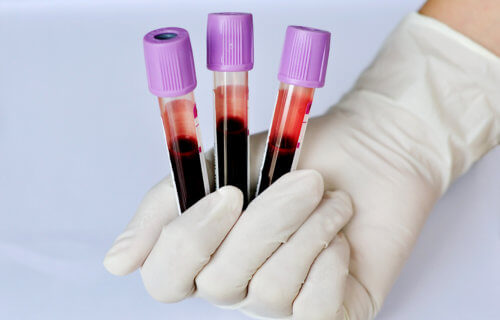
Test tubes with blood
(© jarun011 – stock.adobe.com)

HEALTH & MEDICALSCIENCE & TECHNOLOGY

3D-printed blood? New process for creating plasma could revolutionize wound healing

by Chris Melore

DUBLIN, Ireland — Blood contains all sorts of life-giving components, from red blood cells that carry oxygen to white blood cells that fight off infections. However, our blood also works hard to repair wounds. Thanks to platelet-rich plasma (PRP), blood clots around scraps and scratches, allowing our bodies to heal and limit scarring. Now, researchers in Ireland have discovered an innovative way of improving the healing process even further — 3D printing!

A team from RCSI University of Medicine and Health Sciences say replicating more blood plasma through 3D printing technology can help scientists create a PRP implant that speeds up healing. Platelet-rich plasma is the body’s natural healing substance and it makes up about half of a person’s blood.

The new study explored the possibility of extracting PRP from a patient with severe skin wounds and creating more of this substance in a 3D printer. Scientists would then use these platelets to form an implant doctors can place on difficult-to-heal skin wounds — like a scaffold — during surgery.

No more scars for serious wounds?

Tests by the RCSI team found that applying a PRP implant speeds up the healing process by triggering the development of new blood vessels (vascularization). The implant also inhibits scarring and the thickening of tissue around wounds (fibrosis). Researchers say both of these benefits are key for wounds to heal effectively.

“Existing literature suggests that while the PRP already present in our blood helps to heal wounds, scarring can still occur. By 3D-printing PRP into a biomaterial scaffold, we can increase the formation of blood vessels while also avoiding the formation of scars, leading to more successful wound healing,” says RCSI professor of bioengineering and regenerative medicine, Fergal O’Brien, in a university release.

“As well as promising results for skin wound healing, this technology can potentially be used to regenerate different tissues, therefore dramatically influencing the ever-growing regenerative medicine, 3D printing and personalized medicine markets.”

The findings appear in the journal Advanced Functional Materials.

Good News Monday: Kick the “Can”

Encouraging news from the frontiers of cancer research.

Cancer’s ‘Achilles’ heel’ discovered by scientists

by Study Finds

VANCOUVER, British Columbia — Scientists may be one step closer to defeating cancer after finding what researchers at the University of British Columbia call the disease’s “Achilles’ heel.”

Their study has uncovered a protein that fuels tumors when oxygen levels are low. It enables the cancerous growths to adapt and survive and become more aggressive.

The enzyme, called CAIX (Carbonic Anhydrase IX), helps diseased cells spread to other organs. It could hold the key to new treatments for the deadliest forms of the disease, including breast, pancreatic, lungs, bowel, and prostate cancers.

Cancer cells depend on the CAIX enzyme to survive, which ultimately makes it their ‘Achilles heel.’ By inhibiting its activity, we can effectively stop the cells from growing,” says study senior author Professor Shoukat Dedhar in a university release.

The findings, published in the journal Science Advances, will help researchers develop drugs that destroy solid tumors. These are the most common types that arise in the body. They rely on blood supply to deliver oxygen and nutrients which help tumors grow.

As the tumors advance, the blood vessels are unable to provide enough oxygen to every part. Over time, the low-oxygen environment leads to a buildup of acid inside the cells. They overcome the stress by unleashing proteins, or enzymes, that neutralize the acidic conditions.

Stopping cancer before it spreads

This process is behind the spread, or metastasis, of cancer cells to other organs — which is what can kill patients. Finding a way to prevent cancer from metastasizing is the “Holy Grail” of cancer research. One of the enzymes which appears to do this is CAIX.

The Canadian team previously identified a unique compound known as SLC-0111 as a powerful inhibitor. It is currently being tested in clinical trials. Experiments in mice with breast, pancreatic, and brain cancers revealed its effectiveness.

The compound suppressed tumor growth and spread, although there were side-effects, with other cellular properties diminished. Now, the researchers have demonstrated other weaknesses in CAIX using a technique called genome-wide synthetic lethal screening. The powerful tool systematically deletes one gene at a time to determine if a cancer cell can be killed by eliminating the enzyme.

Surprisingly, results pointed to an unexpected role of proteins and processes that control a form of cell death called ferroptosis. This process happens when iron builds up and weakens a tumor’s metabolism and cell membranes.

“We now know that the CAIX enzyme blocks cancer cells from dying as a result of ferroptosis,” Dr. Dedhar adds. “Combining inhibitors of CAIX, including SLC-0111, with compounds known to bring about ferroptosis results in catastrophic cell death and debilitates tumor growth.”

Photo by cottonbro on Pexels.com

A large international effort is currently underway to identify drugs that induce ferroptosis. The study is a major step forward in this quest.

Good News Monday: Hobbits Were Real

Well, sort of, according to this article on StudyFinds.com:


‘Hobbit’ creature discovered in North America, rewriting history of mammals after dinosaur era

by Chris Melore

BOULDER, Colo. — Fossils of a creature which researchers compare to the character Beorn from “The Hobbit” may change how scientists look at the evolution of mammals following the extinction of the dinosaurs. The prehistoric mammal is one of three new species a team from the University of Colorado-Boulder have discovered that they say roamed North America shortly after the age of dinosaurs.

Paleontologists generally accept that the end of the dinosaurs is also the dawn of modern mammals on Earth. However, scientists have assumed that there was very little diversity in mammal species during the earliest Paleocene Epoch — a geological period roughly 56 to 66 million years ago. This new discovery suggests that mammals actually diversified much quicker after dinosaurs left the planet.

The three new species — Miniconus jeanninaeConacodon hettingeri, and Beornus honeyi — range in size from rat-sized mammals to modern house cats. At the largest end of the spectrum, these creatures would be much larger than their fellow mammals living alongside the dinosaurs at the time.

A smile made for the movies

Researchers say each of these animals have unique dental features which reveal them to be separate species. In the case of Beornus honeyi, its inflated molars (or puffy cheek teeth) give it the appearance of being like Beorn from “The Hobbit” — hence its colorful name.

All three mammals belong to a group called archaic ungulates (or condylarths), which are the primitive ancestors to today’s hoofed mammals such as horses, elephants, cows, and hippos. The findings come from an analysis of unearthed lower jaw bones and teeth. These fossils provide insight into an animal’s lifestyle and body size.

The team’s examination points to the animals being omnivores who could grind up both plants and meat. Despite this, scientists can’t rule out that these early mammals only ate plants during this period. One thing is certain though, mammal life took off roughly 66 millions ago following the mass extinction event that wiped out the final era of their reptilian neighbors.

“When the dinosaurs went extinct, access to different foods and environments enabled mammals to flourish and diversify rapidly in their tooth anatomy and evolve larger body size. They clearly took advantage of this opportunity, as we can see from the radiation of new mammal species that took place in a relatively short amount of time following the mass extinction,” explains lead author Madelaine Atteberry from the University of Colorado Geological Sciences Department, in a media release.

North America had a diverse rodent population?

Atteberry and co-author Jaelyn Eberle analyzed the jaw bone fossils of 29 condylarth species to determine the anatomical differences between each animal. Using phylogenetic techniques, they assessed how each species compared to other early Paleocene condylarths living in the present day western United States.

From those studies, the team believes they have unearthed three completely new species from those first years following the demise of dinosaur life. Results also show that Beornus honeyi appears to be the largest of the three, measuring about the size of a modern feline.

While Conacodon hettingeri and Miniconus jeanninae are similar in size to other rodent-like early mammals, they differ in the shape and form of their last molars.

“Previous studies suggest that in the first few hundred thousand years after the dinosaur extinction (what is known in North America as the early Puercan) there was relatively low mammal species diversity across the Western Interior of North America, but the discovery of three new species in the Great Divide Basin suggests rapid diversification following the extinction,” says Atteberry. “These new periptychid ‘condylarths’ make up just a small percentage of the more than 420 mammalian fossils uncovered at this site. We haven’t yet fully captured the extent of mammalian diversity in the earliest Paleocene, and predict that several more new species will be described.”

The findings appear in the Journal of Systematic Palaeontology.