Tag Archives: medical

Good News Monday: How to Live Longer

[from the New York Times]

An illustration of a person standing in a yoga pose with leaves emanating from different parts of the body; on either side of the person is an infinity loop with various vignettes; the vignettes are a couple on a couch, a person sleeping, a bowl of fruit and a person running.
Credit…Cristina Spanò

By Dana G. Smith

Humans have searched for the secret to immortality for thousands of years. For some people today, that quest includes things like sleeping in a hyperbaric chamber, experimenting with cryotherapy or blasting oneself with infrared light.

Most aging experts are skeptical that these actions will meaningfully extend the upper limits of the human life span. What they do believe is that by practicing a few simple behaviors, many people can live healthier for longer, reaching 80, 90 and even 100 in good physical and mental shape. The interventions just aren’t as exotic as transfusing yourself with a young person’s blood.

“People are looking for the magic pill,” said Dr. Luigi Ferrucci, the scientific director of the National Institute on Aging, “and the magic pill is already here.”

Below are seven tips from geriatricians on how to add more good years to your life.

The number one thing experts recommended was to keep your body active. That’s because study after study has shown that exercise reduces the risk of premature death.

Physical activity keeps the heart and circulatory system healthy and provides protection against numerous chronic diseases that affect the body and mind. It also strengthens muscles, which can reduce older people’s risk of falls.

“If we spend some of our adult years building up our muscle mass, our strength, our balance, our cardiovascular endurance, then as the body ages, you’re starting from a stronger place for whatever is to come,” said Dr. Anna Chang, a professor of medicine specializing in geriatrics at the University of California, San Francisco.

The best exercise is any activity you enjoy doing and will stick with. You don’t have to do a lot, either — the American Heart Association recommends 150 minutes of moderate-intensity exercise per week, meaning just walking a little more than 20 minutes a day is beneficial.

The experts didn’t recommend one specific diet over another, but they generally advised eating in moderation and aiming for more fruits and vegetables and fewer processed foods. The Mediterranean diet — which prioritizes fresh produce in addition to whole grains, legumes, nuts, fish and olive oil — is a good model for healthy eating, and it’s been shown to lower the risk of heart disease, cancer, diabetes and dementia.

Some experts say that maintaining a healthy weight is important for longevity, but to Dr. John Rowe, a professor of health policy and aging at Columbia University, that’s less of a concern, especially as people enter old age. “I was always more worried about my patients who lost weight than my patients who gained weight,” Dr. Rowe said.

Sleep is sometimes overlooked, but it plays a major role in healthy aging. Research has found that the amount of sleep a person averages each night is correlated with their risk of death from any cause, and that consistently getting good quality sleep can add several years to a person’s life. Sleep appears to be especially important for brain health: A 2021 study found that people who slept less than five hours a night had double the risk of developing dementia.

“As people get older, they need more sleep rather than less,” said Dr. Alison Moore, a professor of medicine and the chief of geriatrics, gerontology and palliative care at the University of California, San Diego. Seven to nine hours is generally recommended, she added.

This goes without saying, but smoking cigarettes raises your risk for all kinds of deadly diseases. “There is no dose of cigarette smoke that is good for you,” Dr. Rowe said.

We’re starting to understand how bad excessive alcohol use is, too. More than one drink per day for women and two for men — and possibly even less than that — raises the risk for heart disease and atrial fibrillation, liver disease, and seven types of cancer.

Nearly half of American adults have hypertension, 40 percent have high cholesterol and more than one-third have pre-diabetes. All the healthy behaviors mentioned above will help manage these conditions and prevent them from developing into even more serious diseases, but sometimes lifestyle interventions aren’t enough. That’s why experts say it’s critical to follow your doctor’s advice to keep things under control.

“It’s not fun to take the medications; it’s not fun to check your blood pressure and check your blood sugar,” Dr. Chang said. “But when we optimize all those things in a whole package, they also help us live longer, healthier, better lives.”

Psychological health often takes a back seat to physical health, but Dr. Chang said it’s just as important. “Isolation and loneliness is as big a detriment to our health as smoking,” she said, adding that it puts us “at a higher risk of dementia, heart disease, stroke.”

Relationships are key to not only living healthier, but also happier. According to the Harvard Study of Adult Development, strong relationships are the biggest predictor of well-being.

Dr. Rowe tells the medical students he teaches that one of the best indicators of how well an elderly patient will be faring in six months is to ask him “how many friends or family he’s seen in the last week.”

Even thinking positively can help you live longer. Several studies have found that optimism is associated with a lower risk of heart disease, and people who score highly on tests of optimism live 5 to 15 percent longer than people who are more pessimistic. That may be because optimists tend to have healthier habits and lower rates of some chronic diseases, but even when accounting for those factors, the research shows that people who think positively still live longer.

If you had to pick one healthy practice for longevity, “do some version of physical activity,” Dr. Moore said. “If you can’t do that, then focus on being positive.”

All in Your Head?

Photo by Nathan Cowley on Pexels.com

Hypochondriacs still wind up living shorter lives than the rest of us

— The Conversation

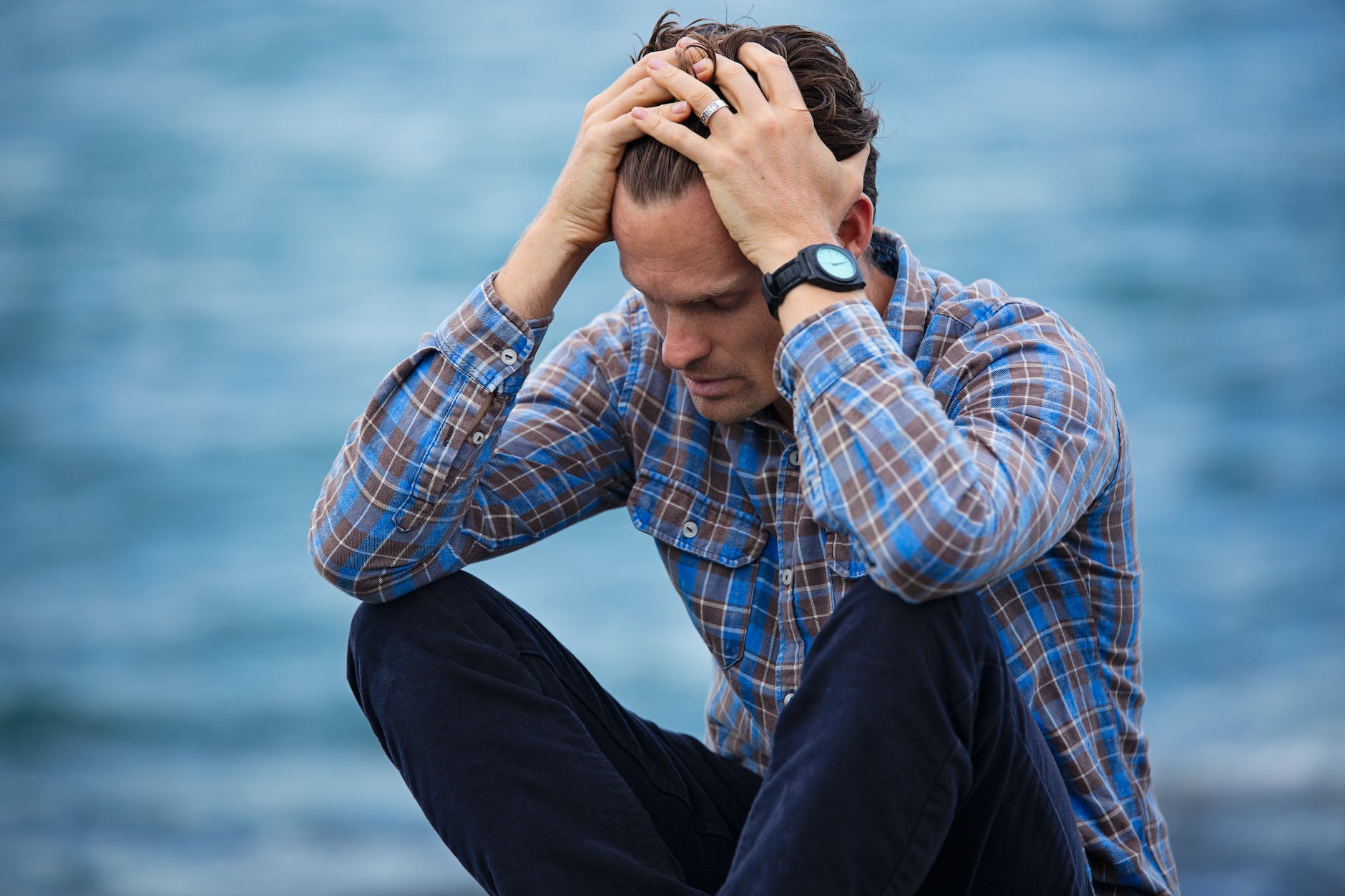
People who worry excessively about their health tend to die earlier than those who don’t, a recent study from Sweden has found. It seems strange that hypochondriacs who, by definition, worry yet have nothing wrong with them, should enjoy shorter lifespans than the rest of us. Let’s find out more.

First, a word about terminology. The term “hypochondriac” is fast becoming pejorative. Instead, we medical professionals are encouraged to use the term illness anxiety disorder (IAD). So, to avoid triggering our more sensitive readership, we ought to use this term.

We can define IAD as a mental health condition characterized by excessive worry about health, often with an unfounded belief that a serious medical condition is present. It may be associated with frequent visits to a doctor, or it may involve avoiding them altogether on the grounds that a real and quite possibly fatal condition might be diagnosed.

The latter variant strikes me as quite rational. A hospital is a dangerous place and you can die in a place like that.

IAD can be quite debilitating. A person with the condition will spend a lot of time worrying and visiting clinics and hospitals. It is costly to health systems because of time and diagnostic resources used and is quite stigmatizing.

Busy healthcare professionals would much rather spend time treating people with “real conditions” and can often be quite dismissive. So can the public.

Now, about that study

The Swedish researchers tracked around 42,000 people (of whom 1,000 had IAD) over two decades. During that period, people with the disorder had an increased risk of death. (On average, worriers died five years younger than those who worried less.) Furthermore, the risk of death was increased from both natural and unnatural causes. Perhaps people with IAD have something wrong with them after all.

People with IAD dying of natural causes had increased mortality from cardiovascular causes, respiratory causes and unknown causes. Interestingly, they did not have an increased mortality from cancer. This seems odd because cancer anxiety is rife in this population.
The principal cause of unnatural death in the IAD cohort was from suicide, with at least a fourfold increase over those without IAD.

So how do we explain these curious findings?

IAD is known to have a strong association with psychiatric disorders. As suicide risk is increased by psychiatric illness, then this finding seems quite reasonable. If we add in the fact that people with IAD may feel stigmatized and dismissed, then it follows that this may contribute to anxiety and depression, leading ultimately to suicide in some cases.

The increased risk of death from natural causes seems less easy to explain. There may be lifestyle factors. Alcohol, smoking and drug use are more common in anxious people and those with a psychiatric disorder. It is known that such vices can limit one’s longevity and so they may contribute to the increased mortality from IAD.

IAD is known to be more common in those who have had a family member with a serious illness. Since many serious illnesses have a genetic component, there may be good constitutional causes for this increase in mortality: lifespan is shortened by “faulty” genes.

What can we learn?

Doctors need to be alert to the underlying health problems of patients and must listen with greater care. When we are dismissive of our patients, we can often be badly caught out. People with IAD may well have a hidden underlying disorder – an unpopular conclusion, I accept.

Perhaps we can illustrate this point with the case of the French novelist, Marcel Proust. Proust is often described by his biographers as a hypochondriac, yet he died in 1922 at the age of 51 at a time when the life expectancy of a Frenchman was 63.

During his life, he complained of numerous gastrointestinal symptoms such as fullness, bloating and vomiting, yet his medical attendants could find little wrong. In fact, what he described is consistent with gastroparesis.

This is a condition in which motility of the stomach is reduced and it empties more slowly than it should, causing it to overfill. This can lead to vomiting and with that comes a risk of inhaling vomit, leading to aspiration pneumonia and Proust is known to have died of complications of pneumonia.

Finally, a word of caution: writing about IAD can be quite risky. The French playwright Molière wrote Le Malade Imaginaire (The Imaginary Invalid), a play about a hypochondriac called Argan who tries to get his daughter to marry a doctor in order to reduce his medical bills. As for Molière, he died at the fourth performance of his work.

Mock hypochondriacs at your peril.

Stephen Hughes, Senior Lecturer in Medicine, Anglia Ruskin University

Good News Monday: Bone Up on Calcium


Taking calcium supplements before age 35 may prevent osteoporosis later in life
[John Anderer, studyfinds.com]

Photo by Anna Shvets on Pexels.com


Planning ahead can pay serious dividends in many areas of life. Now, new research out of China suggests a little bit of forward thinking when it comes to bone health can help stave off osteoporosis years down the line. Researchers report taking calcium supplements between ages 20 and 35 can help improve bone mass at peak bone mass age.

Study authors believe this work points to a new, easy way adults can proactively protect their bones from a young age, setting the stage for more robust bone health during old age. On an even more general level, researchers add young adults should pay more attention to their bone health.

“Osteoporosis and fractures are important global public health problems, particularly in elderly women,” explains lead study author Yupeng Liu, a researcher at Wenzhou Medical University’s School of Public Health and Management, in a media release. “However, although calcium supplementation has been widely used in older age to increase bone mass, a number of studies suggest that it is unlikely to translate into clinically meaningful reductions in fractures.”

“On the other hand, intervention before young adults reach peak bone density might have a greater impact on bone health and prevent osteoporosis later. There has been considerable debate about whether calcium supplementation has effects on bone health among young people, so we conducted a comprehensive review of the evidence for calcium supplement effectiveness in people under the age of 35.”

Are supplements better than the real thing?
The research team made use of previously conducted randomized controlled trials — seen as the gold standard for clinical research — to compile these findings. More specifically, they searched for trials comparing calcium or calcium plus vitamin D with a placebo or no treatment in participants under the age of 35. They also focused on results reported for bone mineral density (BMD) or bone mineral content (BMC).

In total, this project ended up encompassing 43 prior studies involving over 7,300 people. Among those 43 studies, 20 looked at dietary calcium while the other 23 focused on calcium supplementation. The team then combined all of the data to search for changes in BMD and BMC in the lumbar spine, femoral neck, total hip, and total body.

That investigation led to the conclusion that calcium supplements taken by people under 35 have significant potential to improve the BMD levels of both the total body and femoral neck. They also appear to slightly increase the BMC of the femoral neck, total body, and lumbar spine. In comparison to individuals younger than 20 (the pre–peak bone mass age), these benefits were more prominent among participants between 20 and 35 years-old (the peri–peak bone mass age when bone mass plateaus).

Importantly, both dietary sources of calcium and calcium supplements had a positive effect on femoral neck and total body BMD. However, BMC measurements of the femoral neck and lumbar spine only improved following calcium supplementation.

Vitamin D, meanwhile, was a bit of a mixed bag. A combination of calcium and vitamin D did prove more beneficial for the femoral neck bone mineral density and content, but researchers did not see the same robust benefits for BMCs of lumbar spine and total body, or total body BMD.

Moving up the ‘intervention window’
In summation, study authors believe calcium supplements have serious potential to improve both bone mineral density and content, especially in the neck, in a major way. Taking calcium supplements during peri–peak bone mass age (ages 20-35) appears to foster the strongest benefits in comparison to earlier or later in life.

“Although further trials will be needed to verify these findings, our review provides a new train of thought regarding calcium supplementation and the optimal timing of its effects,” concludes senior study author Shuran Wang, a professor at Wenzhou Medical University. “In terms of bone health and an individual’s full life cycle, the intervention window of calcium supplementation should be advanced to the age around the plateau of peak bone mass – namely at 20–35 years of age.”

The study appears in the journal eLife.

Good News Monday: Universal Transplants?

Universal blood type organs
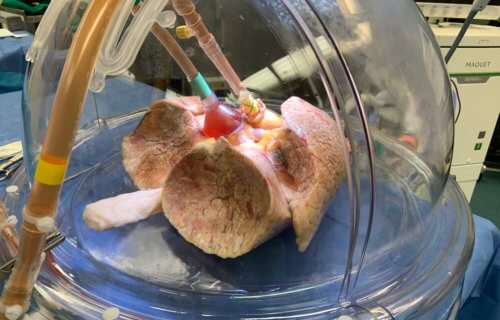
Universal blood type organs (Credit: UHN)

Universal blood type organs created in groundbreaking procedure, making transplants available for all patients

TORONTO, Ontario — A revolutionary procedure could make donor organs available for more patients — regardless of their blood type. Researchers from the University Health Network in Toronto have proven that it’s possible to convert the blood type of an organ, creating a universal organ that would avoid rejection during transplants.

The procedure, conducted at the Latner Thoracic Surgery Research Laboratories and UHN’s Ajmera Transplant Centre, changed the lungs from a donor with type A blood into an organ with type O blood. Scientists consider type O the universal donor type. The breakthrough may significantly cut down on the disparity in organ transplant availability and shorten transplant waiting lists worldwide.

“With the current matching system, wait times can be considerably longer for patients who need a transplant depending on their blood type,” explains senior author Dr. Marcelo Cypel, Surgical Director of the Ajmera Transplant Centre, in a media release.

“Having universal organs means we could eliminate the blood-matching barrier and prioritize patients by medical urgency, saving more lives and wasting less organs,” adds Dr. Cypel, who is also a thoracic surgeon at UHN’s Sprott Department of Surgery.

Why is blood type so important?

A person’s blood type is dependent upon the antigens sitting on the surface of their red blood cells. People with type A blood have A antigens on their cells, while type B has B antigens and type AB has both. People with type O blood, however, have no antigens on the surface of their cells.

The reason this is important is because these antigens trigger an immune response if they’re foreign to a person’s body. This is also why patients needing a blood transfusion can only receive blood from donors with the same blood type — or from universal type O donors.

This problem also complicates organ donations. Researchers explain that antigens A and B are present on the surfaces of organs as well. Even people with type O blood have problems receiving transplants from type A or B donors. Since type O patients have anti-A and anti-B antibodies in their blood, receiving an organ from a type A donor will likely result in rejection.

For these reasons, doctors have to match up organs according to blood type as well as many other factors — leading to a wait for the perfect organ which can last several years. On average, type O patients actually have the longest wait for lung transplants — sometimes twice as long as type A patients. Kidney transplant patients can also end up waiting up to five years for a compatible donor.

“This translates into mortality. Patients who are type O and need a lung transplant have a 20 percent higher risk of dying while waiting for a matched organ to become available,” says explains study first author Dr. Aizhou Wang. “If you convert all organs to universal type O, you can eliminate that barrier completely.”

Universal blood type organs
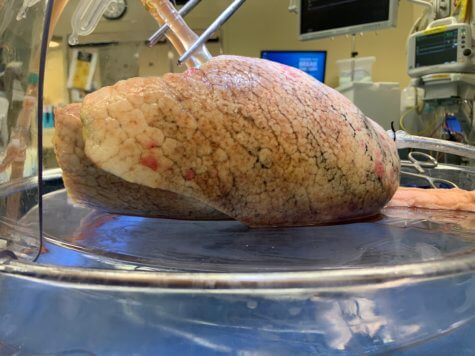
Universal blood type organs (Credit: UHN)

How did scientists make a universal organ?

In the proof-of-concept study, Dr. Cypel’s team used the Ex Vivo Lung Perfusion (EVLP) System to pump nourishing fluids through human donor lungs from a type A patient. This process allowed the researchers to warm the lungs up to body temperature so the team could convert the organs for transplantation.

Before the procedure, the donor’s lungs were not considered suitable for an organ transplant. During the experiment, study authors treated one lung with a group of enzymes to flush out the A antigens, while leaving the other lung untreated.

From there, they tested the conversion by adding type O blood with large concentrations of anti-A antibodies to the EVLP circuit. This simulated the conditions of an ABO-incompatible transplant. Results show that the treated lung was well tolerated, meaning the lung would likely be safe from rejection if the team placed it in a human patient. Meanwhile, the untreated lung showed signs of rejection, meaning such a transplant in a human would likely fail.

Gut enzymes are key to universal organs

Dr. Stephen Withers, a biochemist at the University of British Columbia, found a group of gut enzymes in 2018 which became the first step in creating these universal organs. Researchers used the EVLP circuit to deliver these enzymes to the lungs during the new experiment.

“Enzymes are Mother Nature’s catalysts and they carry out particular reactions. This group of enzymes that we found in the human gut can cut sugars from the A and B antigens on red blood cells, converting them into universal type O cells,” Dr. Withers explains. “In this experiment, this opened a gateway to create universal blood-type organs.”

“This is a great partnership with UHN and I was amazed to learn about the ex vivo perfusion system and its impact [on] transplants. It is exciting to see our findings being translated to clinical research,” Dr. Withers adds.

The study authors are working on a proposal to begin a clinical trial on this new technique. They hope that the trial could begin within the next 12 to 18 months.

The study is published in the journal Science Translational Medicine.

Article by Chris Melore, Studyfinds.com

Good News Monday: Bloody Marvelous

Whoops, almost missed Monday this week. That’s what I get for spending hours attempting to delete all the cyber-hysteria emails that pop up like whack-a-mole: Delete twenty and another thirty-five pop up, seemingly instantaneously.

Anyway. This is seriously cool stuff.

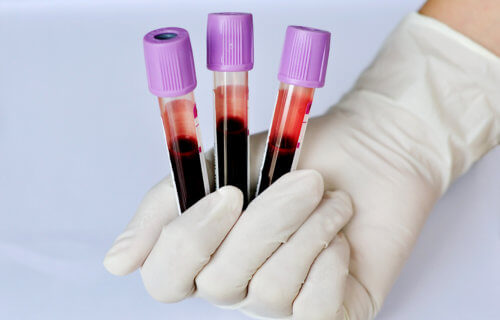
Test tubes with blood
(© jarun011 – stock.adobe.com)

HEALTH & MEDICALSCIENCE & TECHNOLOGY

3D-printed blood? New process for creating plasma could revolutionize wound healing

by Chris Melore

DUBLIN, Ireland — Blood contains all sorts of life-giving components, from red blood cells that carry oxygen to white blood cells that fight off infections. However, our blood also works hard to repair wounds. Thanks to platelet-rich plasma (PRP), blood clots around scraps and scratches, allowing our bodies to heal and limit scarring. Now, researchers in Ireland have discovered an innovative way of improving the healing process even further — 3D printing!

A team from RCSI University of Medicine and Health Sciences say replicating more blood plasma through 3D printing technology can help scientists create a PRP implant that speeds up healing. Platelet-rich plasma is the body’s natural healing substance and it makes up about half of a person’s blood.

The new study explored the possibility of extracting PRP from a patient with severe skin wounds and creating more of this substance in a 3D printer. Scientists would then use these platelets to form an implant doctors can place on difficult-to-heal skin wounds — like a scaffold — during surgery.

No more scars for serious wounds?

Tests by the RCSI team found that applying a PRP implant speeds up the healing process by triggering the development of new blood vessels (vascularization). The implant also inhibits scarring and the thickening of tissue around wounds (fibrosis). Researchers say both of these benefits are key for wounds to heal effectively.

“Existing literature suggests that while the PRP already present in our blood helps to heal wounds, scarring can still occur. By 3D-printing PRP into a biomaterial scaffold, we can increase the formation of blood vessels while also avoiding the formation of scars, leading to more successful wound healing,” says RCSI professor of bioengineering and regenerative medicine, Fergal O’Brien, in a university release.

“As well as promising results for skin wound healing, this technology can potentially be used to regenerate different tissues, therefore dramatically influencing the ever-growing regenerative medicine, 3D printing and personalized medicine markets.”

The findings appear in the journal Advanced Functional Materials.

Good News Monday: Long-lasting Immunity

From The New York Times:

Immunity to the Coronavirus May Persist for Years, Scientists Find

Important immune cells survive in the bone marrow of people who were infected with the virus or were inoculated against it, new research suggests.

The studies may soothe fears that immunity to the virus is transient, as is the case with coronaviruses that cause common colds.
The studies may soothe fears that immunity to the virus is transient, as is the case with coronaviruses that cause common colds.Credit…Christopher Capozziello for The New York Times

By Apoorva Mandavilli May 26, 2021

Immunity to the coronavirus lasts at least a year, possibly a lifetime, improving over time especially after vaccination, according to two new studies. The findings may help put to rest lingering fears that protection against the virus will be short-lived.

Together, the studies suggest that most people who have recovered from Covid-19 and who were later immunized will not need boosters. Vaccinated people who were never infected most likely will need the shots, however, as will a minority who were infected but did not produce a robust immune response.

Both reports looked at people who had been exposed to the coronavirus about a year earlier. Cells that retain a memory of the virus persist in the bone marrow and may churn out antibodies whenever needed, according to one of the studies, published on Monday in the journal Nature.

The other study, posted online at BioRxiv, a site for biology research, found that these so-called memory B cells continue to mature and strengthen for at least 12 months after the initial infection.

“The papers are consistent with the growing body of literature that suggests that immunity elicited by infection and vaccination for SARS-CoV-2 appears to be long-lived,” said Scott Hensley, an immunologist at the University of Pennsylvania who was not involved in the research.

The studies may soothe fears that immunity to the virus is transient, as is the case with coronaviruses that cause common colds. But those viruses change significantly every few years, Dr. Hensley said. “The reason we get infected with common coronaviruses repetitively throughout life might have much more to do with variation of these viruses rather than immunity,” he said.

In fact, memory B cells produced in response to infection with SARS-CoV-2 and enhanced with vaccination are so potent that they thwart even variants of the virus, negating the need for boosters, according to Michel Nussenzweig, an immunologist at Rockefeller University in New York who led the study on memory maturation.

“People who were infected and get vaccinated really have a terrific response, a terrific set of antibodies, because they continue to evolve their antibodies,” Dr. Nussenzweig said. “I expect that they will last for a long time.”

The result may not apply to protection derived from vaccines alone, because immune memory is likely to be organized differently after immunization, compared with that following natural infection.

Upon first encountering a virus, B cells rapidly proliferate and produce antibodies in large amounts. Once the acute infection is resolved, a small number of the cells take up residence in the bone marrow, steadily pumping out modest levels of antibodies.

To look at memory B cells specific to the new coronavirus, researchers led by Ali Ellebedy of Washington University in St. Louis analyzed blood from 77 people at three-month intervals, starting about a month after their infection with the coronavirus. Only six of the 77 had been hospitalized for Covid-19; the rest had mild symptoms.

Antibody levels in these individuals dropped rapidly four months after infection and continued to decline slowly for months afterward — results that are in line with those from other studies.

Some scientists have interpreted this decrease as a sign of waning immunity, but it is exactly what’s expected, other experts said. If blood contained high quantities of antibodies to every pathogen the body had ever encountered, it would quickly transform into a thick sludge.

Good News Monday: A New Way to Heal a Broken Heart

Another fascinating story from StudyFinds.com

broken heart woman
(Credit: RODNAE Productions from Pexels)

Researchers discover drug that can mend the physical damage of a broken heart

by Chris Melore

MELBOURNE, Australia — From someone experiencing chest pain after a breakup, to a married couple dying within minutes of each other, there are many real examples of what doctors call broken heart syndrome. While the emotional scars are a separate issue, there may finally be a way to prevent lasting physical injury. Researchers in Australia say, for the first time, scientists have uncovered a drug that can literally mend a broken heart.

A team from Monash University find Suberanilohydroxamic acid (SAHA) can significantly improve cardiac health due to this condition. In their study, researchers used SAHA to target genes affected by a “broken heart” — or Takotsubo cardiomyopathy.

Although many may think broken heart syndrome is just a saying, doctors know it to be a very real ailment. Patients suffer a weakening of the left ventricle, the heart’s main pumping chamber. Stressful emotional triggers, usually following a traumatic event like the death of a loved one, often cause this problem. Researchers add broken heart syndrome can mimic a heart attack, causing chest pain, shortness of breath, and an irregular heartbeat.

How does SAHA heal the heart?

Suberanilohydroxamic acid is currently serving as a cancer treatment, with the U.S. Food and Drug Administration approving its use. The drug works on the heart by protecting certain genes and the acetylation/deacetylation (Ac/Dc) index in particular. This is a vitally important process which regulates gene expression in humans.

“We show for the first time a drug that shows preventative and therapeutic benefit is important to a healthy heart. The drug not only slows cardiac injury, but also reverses, the damage caused to the stressed heart,” says study leader Professor Sam El-Osta from Monash Central Clinical School in a university release.

Mostly women suffer from this mysterious condition

The study finds, in western nations, broken heart syndrome almost exclusively affects women, especially after menopause. In fact, researchers say up to eight percent of women believed to be having a heart attack may actually be dealing with Takotsubo cardiomyopathy.

While the symptoms are similar, the exact cause of the physical pain of a broken heart is still a mystery. Doctors believe a surge of stress hormones flood the heart during a traumatic event. This may cause changes in the heart muscles and blood vessels which prevent the left ventricle from working properly. The result is the heavy, achy feeling people get in the chest that can be mistaken for a heart attack.

The good news is most people recover from broken heart syndrome within two months. The bad news, unfortunately, is that some patients may suffer from heart failure due to their extreme trauma. Although death from a broken heart is rare, researchers say 20 percent of patients experience some degree of heart failure. Until now, there has been no standard treatment to alleviate this condition.

“This pre-clinical study describes a new standard in preventative and therapeutic potential using a cardioprotective drug that targets genes in the heart,” Professor El-Osta concludes.

“The team is committed to the research of women’s health recognizing the uneven sex prevalence of almost 9:1 (female to male). Based on these promising results we are focused on the continued development of compounds like SAHA to improve cardiac benefit and healthier life.”

The study appears in the journal Signal Transduction and Targeted Therapy.

The Sun and I: A Cautionary Tale of Unrequited Love

Ah, dear sun… you were so hot. In my misspent youth, how I burned for your touch. And oh, how I am paying for this as an adult!

Those of you who are blessed with darker complexions will never know the true agony of raw, red, sunburned skin. Or the “cute” freckles that eventually become age spots. Or the ever-present threat of skin cancer lurking below the surface, waiting to pounce years later.

But who thought about this while spending long, sunsoaked days at the beach with my friends during the endless summers of my teens and early twenties?

For decades since, I have been diligent about sunblock, avoiding the sun, and wearing a hat. But I have displeased the sun by my inattention, and now I am being punished. A biopsy here, a patch of squamous carcinoma there (on my wrist a few years ago), and lately a nasty little basal cell uprising on the tip of my nose. On my damn face, for heavens sake — you couldn’t wreak your revenge somewhere else?!?!

Last Monday I trekked to a specialist an hour away for Mohs surgery. The technique was developed in the 1940s by Dr. Frederick Mohs at the University of Wisconsin, and has subsequently been refined.

Unlike other forms of treatment, Mohs is generally reserved for cosmetic areas or types of skin cancer that are at risk of recurring. It permits immediate and complete microscopic examination of affected tissue to make sure all “roots” are removed. And it is said to leave the least noticable scar.

Well.

We arrived at a very nice office and the very nice doctor (both physician and surgeon) immediately told me I looked much younger than my age, so we were off to a good start.

A little numbing, a little scraping, a little cauterizing, and then a long wait to see if he’d gotten everything. Which he hadn’t, so then it was time for Round Two, which did.

I emerged three hours later feeling ok only because the numbing hadn’t worn off yet and my nose was covered with a pressure bandage.

Naturally, I did not know what I looked like, which was a good thing. Although the cancer was fairly superficial and about the size of a pencil eraser, I have a row of stitches all the way up the side of my nose. And OMG do they itch!

The bandage came off two days later and I could assess the full effect. Luckily, I’ve had to keep the area covered with petroleum jelly and regular bandages so nobody has to see it, including me. To add to the loveliness are several areas of bruising, which are now in the process of fading from bright red to purple to yellow.

I’ll see the derm again on Tuesday to get the outer stitches removed, but I have been “assured” that the dissolving stitches will render my nose a little lumpy for months until they dissolve. Not to mention the scar. Woo hoo.

So, dear readers, be warned: If you have fair skin that is prone to burning or freckling, and especially if you are young enough, it is time to end your love affair with the sun for once and for all.

Oh, and meanwhile, ask your dermatologist about nicotinamide and HelioCare, just to improve the odds.

Photo by Mathias P.R. Reding on Pexels.com

Calling All Men (and the Women Who Love Them)

This is an interesting article, especially relevant for older gentlemen.

6 Reasons Men Should Pee Sitting Down

K. Grossman Updated: Dec 12, 2020

Pee Sitting Down

The ability to pee while standing up is one that is distinctly masculine. But just because a man can pee standing up, does that mean he should? The ability to urinate while standing up is a definite plus on wilderness hikes and out in the backwoods. But is it something that should be used in the world of low toilet seats, expensive hardwood floors, and marble restrooms? Is it better for a man’s health to urinate while in the seated position? Here are six reasons why men should consider peeing sitting down.

6. It Prevents the Spread of Illness

Spread Of Illness

While urine is sterile, those splashes and puddles that accumulate on the toilet seat and floor make for sticky areas where germs can collect. When your doctor collects your urine for a urine test, the pee is sent to a lab, placed in a petri dish, and kept at body temperature to see if any bacteria grows. Since no one wants to walk into a life-sized petri dish, sitting down will keep your pee in the toilet where it belongs.

5. It May Prevent Lower Urinary Tract Symptoms

Lower Urinary Tract

The National Institutes of Health reports that sitting down while peeing can decrease lower urinary tract symptoms (LUTS) in men who are prone to frequent symptoms. Symptoms of LUTS are an increased frequency of urination, inability to completely empty the bladder, and an urgent need to urinate. Sitting down allows the bladder to more completely empty and prevents leftover urine from developing a bacterial infection.Related: 12 Signs You May Have a Kidney Infection

4. It Prevents Unsightly Puddles

Pee On Floor

One of the best reasons to pee sitting down is simply for the aesthetic effect. You don’t have to be a germaphobe or a neat freak to prefer using a restroom that is devoid of unsightly splashes and splatter. Bathrooms are used for more than just peeing. You might enjoy a soak in the tub, relaxing in a steamy shower, and trimming your beard at the sink. These activities aren’t so pleasant when surrounded by yellowing drips and drizzles. Peeing while sitting down ensures you don’t have to keep seeing your pee on subsequent trips to the bathroom.

3. It May Improve Prostate Health

Prostate Health

As men age, the prostate gland can become enlarged. When this happens, added pressure on the bladder can lead to incomplete emptying of the bladder. Sitting down allows for more complete relaxation of the pelvic muscles and more complete emptying of the bladder. Peeing sitting down can help prevent some of the painful symptoms of an enlarged prostate such as bladder stones and urinary tract infections.Related: 8 Prostate Cancer Myths Debunked

2. It Protects Your Floors

Protects Your Floors

The uric acid in pee can leave behind stains and odor in your tile, wooden, and ceramic floors. A landlord in Germany actually sued one of his tenants for urine damage to his marble floors. To keep your floors pristine and to avoid odors from urine damage, take a seat while emptying your bladder.

1. It Makes Your Spouse Happier

Spouse Happier

Leaving the cap off the toothpaste, hogging the blankets, and not replacing the toilet paper roll are all common disagreements among couples. Add leaving unsightly pee splatter near the toilet to that list. Sitting down to pee is one way to keep your spouse happy—especially if she is the one cleaning the bathroom. Sitting down to pee is one simple way to keep your bathroom cleaner and your wife happier. Maybe then she’ll be more willing to share the blankets.

Good News Monday: Yes, Vaccines Work!

Encouraging news from today’s New York Times (Sorry, the formatting is a little wonky):

Why the vaccine news is better than you may think.

By David Leonhardt

Preparing the Pfizer vaccine in Phoenix.Adriana Zehbrauskas for The New York Times


‘We’re underselling the vaccine’
Early in the pandemic, many health experts — in the U.S. and around the world — decided that the public could not be trusted to hear the truth about masks. Instead, the experts spread a misleading message, discouraging the use of masks.

Their motivation was mostly good. It sprung from a concern that people would rush to buy high-grade medical masks, leaving too few for doctors and nurses. The experts were also unsure how much ordinary masks would help.

But the message was still a mistake.

It confused people. (If masks weren’t effective, why did doctors and nurses need them?) It delayed the widespread use of masks (even though there was good reason to believe they could help). And it damaged the credibility of public health experts.

“When people feel as though they may not be getting the full truth from the authorities, snake-oil sellers and price gougers have an easier time,” the sociologist Zeynep Tufekci wrote early last year.

Now a version of the mask story is repeating itself — this time involving the vaccines. Once again, the experts don’t seem to trust the public to hear the full truth.

This issue is important and complex enough that I’m going to make today’s newsletter a bit longer than usual. If you still have questions, don’t hesitate to email me at themorning@nytimes.com.

‘Ridiculously encouraging’
Right now, public discussion of the vaccines is full of warnings about their limitations: They’re not 100 percent effective. Even vaccinated people may be able to spread the virus. And people shouldn’t change their behavior once they get their shots.

These warnings have a basis in truth, just as it’s true that masks are imperfect. But the sum total of the warnings is misleading, as I heard from multiple doctors and epidemiologists last week.

“It’s driving me a little bit crazy,” Dr. Ashish Jha, dean of the Brown School of Public Health, told me.

“We’re underselling the vaccine,” Dr. Aaron Richterman, an infectious-disease specialist at the University of Pennsylvania, said.

“It’s going to save your life — that’s where the emphasis has to be right now,” Dr. Peter Hotez of the Baylor College of Medicine said.

The Moderna and Pfizer vaccines are “essentially 100 percent effective against serious disease,” Dr. Paul Offit, the director of the Vaccine Education Center at Children’s Hospital of Philadelphia, said. “It’s ridiculously encouraging.”

The details
Here’s my best attempt at summarizing what we know:

The Moderna and Pfizer vaccines — the only two approved in the U.S. — are among the best vaccines ever created, with effectiveness rates of about 95 percent after two doses. That’s on par with the vaccines for chickenpox and measles. And a vaccine doesn’t even need to be so effective to reduce cases sharply and crush a pandemic.


If anything, the 95 percent number understates the effectiveness, because it counts anyone who came down with a mild case of Covid-19 as a failure. But turning Covid into a typical flu — as the vaccines evidently did for most of the remaining 5 percent — is actually a success. Of the 32,000 people who received the Moderna or Pfizer vaccine in a research trial, do you want to guess how many contracted a severe Covid case? One.


Although no rigorous study has yet analyzed whether vaccinated people can spread the virus, it would be surprising if they did. “If there is an example of a vaccine in widespread clinical use that has this selective effect — prevents disease but not infection — I can’t think of one!” Dr. Paul Sax of Harvard has written in The New England Journal of Medicine. (And, no, exclamation points are not common in medical journals.)

On Twitter, Dr. Monica Gandhi of the University of California, San Francisco, argued: “Please be assured that YOU ARE SAFE after vaccine from what matters — disease and spreading.”


The risks for vaccinated people are still not zero, because almost nothing in the real world is zero risk. A tiny percentage of people may have allergic reactions. And I’ll be eager to see what the studies on post-vaccination spread eventually show. But the evidence so far suggests that the vaccines are akin to a cure

Offit told me we should be greeting them with the same enthusiasm that greeted the polio vaccine: “It should be this rallying cry.”


The costs of negativity
Why are many experts conveying a more negative message?

Again, their motivations are mostly good. As academic researchers, they are instinctively cautious, prone to emphasizing any uncertainty. Many may also be nervous that vaccinated people will stop wearing masks and social distancing, which in turn could cause unvaccinated people to stop as well. If that happens, deaths would soar even higher.

But the best way to persuade people to behave safely usually involves telling them the truth. “Not being completely open because you want to achieve some sort of behavioral public health goal — people will see through that eventually,” Richterman said. The current approach also feeds anti-vaccine skepticism and conspiracy theories.

After asking Richterman and others what a better public message might sound like, I was left thinking about something like this:

We should immediately be more aggressive about mask-wearing and social distancing because of the new virus variants. We should vaccinate people as rapidly as possible — which will require approving other Covid vaccines when the data justifies it.

People who have received both of their vaccine shots, and have waited until they take effect, will be able to do things that unvaccinated people cannot — like having meals together and hugging their grandchildren. But until the pandemic is defeated, all Americans should wear masks in public, help unvaccinated people stay safe and contribute to a shared national project of saving every possible life.