Tag Archives: South America

Science News: the “Pre-Dinosaur”

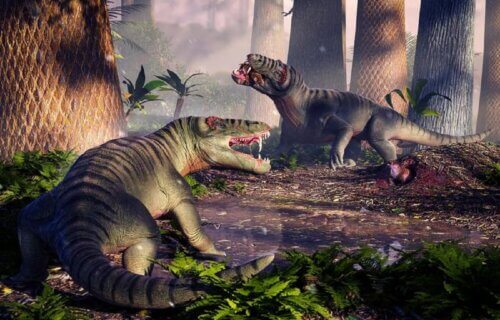
Artistic reconstruction of two Pampaphoneus biccai dinosaurs in the middle of the forest eating prey.
Artistic reconstruction of Pampaphoneus biccai. (credit: Original artwork by Márcio Castro)

This ‘bloodthirsty’ predator ruled South America 40 million years before dinosaurs

by StudyFinds

RIO GRANDE DO SUL, Brazil — A 265-million-year-old skull belonging to a terrifying and “bloodthirsty” creature has been discovered in the rural area of São Gabriel, Brazil. According to scientists, this ancient predator, named Pampaphoneus biccai, was the largest meat-eating animal of its time.

An international team of researchers found the “astoundingly well-preserved” skull, along with some ribs and arm bones, during a month-long excavation. Study delays due to the pandemic meant it took an additional three years for the fossil to be cleaned and thoroughly analyzed.

Pampaphoneus lived just before Earth’s largest mass extinction event, which wiped out 86 percent of all animal species worldwide. It belonged to a group of animals known as dinocephalians — large, land-dwelling creatures that included both meat-eaters and plant-eaters. The term “dinocephalian” translates to “terrible head” in Greek, a nod to the group’s notably thick skull bones.

The researchers explain that while well-known in South Africa and Russia, the animals are rare in other parts of the world. Pampaphoneus biccai is the only known species in Brazil.
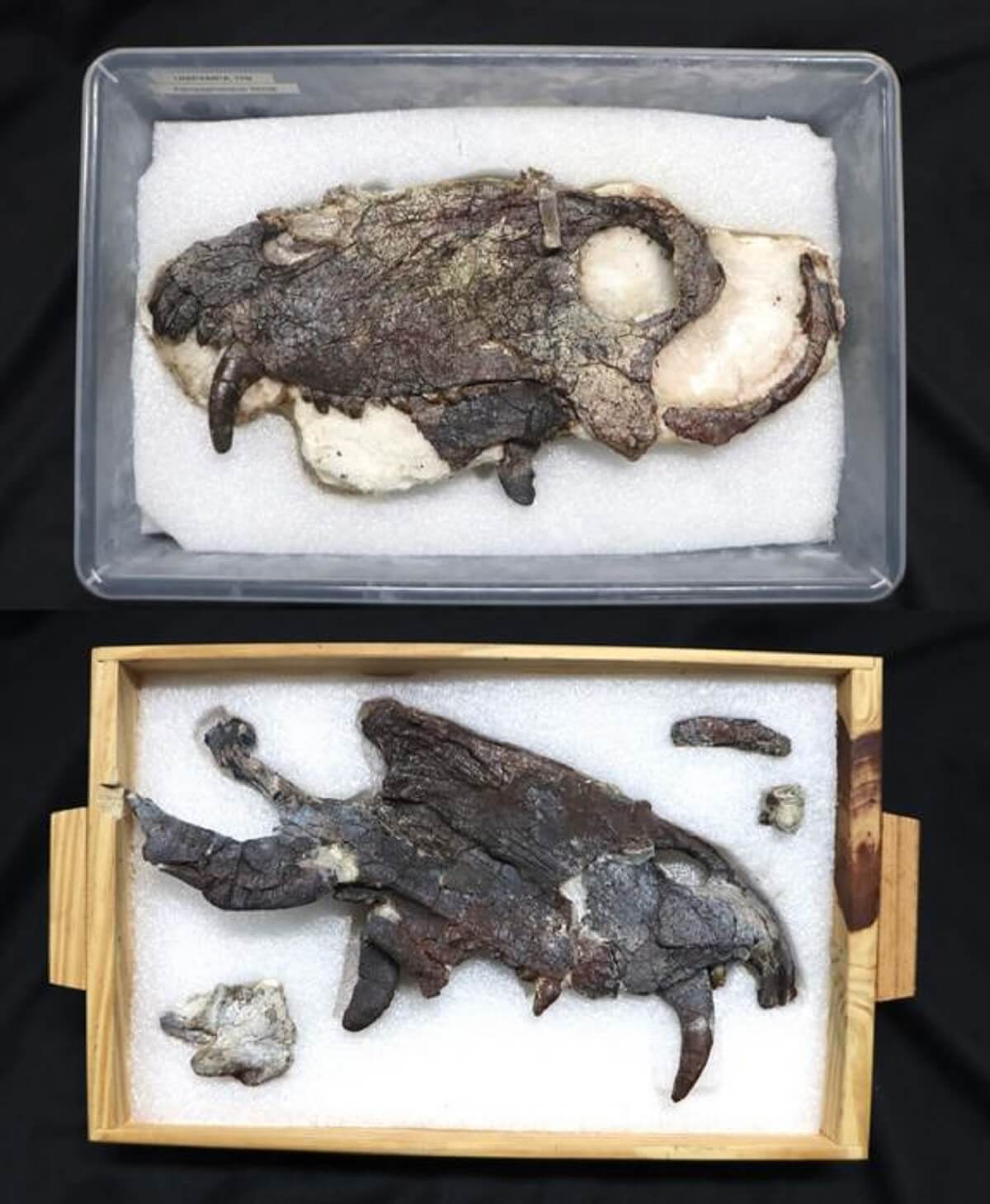
Skull of the new Pampaphoneus biccai specimen... a newly discovered terrestrial predator

Skull of the new Pampaphoneus biccai specimen. (credit: Photo by Felipe Pinheiro)

The skull provides crucial insights into the creature’s morphology, or physical structure, due to the excellent preservation of its bones. It is the second Pampaphoneus skull ever found in South America and is larger than the first.

“Finding a new Pampaphoneus skull after so long was extremely important for increasing our knowledge about the animal, which was previously difficult to differentiate from its Russian relatives,” says Mateus Costa Santos, the study’s lead author from the Federal University of Pampa (UNIPAMPA), in a media release.

Researchers estimate that the largest individuals of this species could have reached nearly 10 feet in length and weighed around 882 pounds. Potential prey for this fearsome creature have also been discovered in the same area, including the small dicynodont Rastodon and the giant amphibian Konzhukovia.

“It was the largest terrestrial predator we know of from the Permian in South America. The animal had large, sharp canine teeth adapted for capturing prey,” says senior author Professor Felipe Pinheiro, also of UNIPAMPA. “Its dentition and cranial architecture suggest that its bite was strong enough to chew bones, much like modern-day hyenas.”

The study also reveals Pampaphoneus fed on small to medium-sized animals.

“This animal was a gnarly-looking beast, and it must have evoked sheer dread in anything that crossed its path. Its discovery is key to providing a glimpse into the community structure of terrestrial ecosystems just prior to the biggest mass extinction of all time,” says co-author Professor Stephanie Pierce of Harvard University.

The research is published in the Zoological Journal of the Linnean Society.
The Trip That Wasn’t

I’m supposed to be in South America now.

There’d been warning signs: first, Dear Husband had some sinus issues ten days ago. Then I came down with bronchitis a week ago, but I was taking antibiotics and feeling better. DH had a low temperature and a cough, but our Covid tests were negative and we figured we could tough it out: After all, it was a long cruise and we could rest on the ship until we were both 100%. So we packed at the last minute and decided to go for it.

Mother Nature had other plans.

The forecast had been for light snow Wednesday night into Thursday morning. The airport was expected to be clear. Our flight was on schedule when we left the house Thursday morning five hours before the noon departure to allow for rush hour traffic.

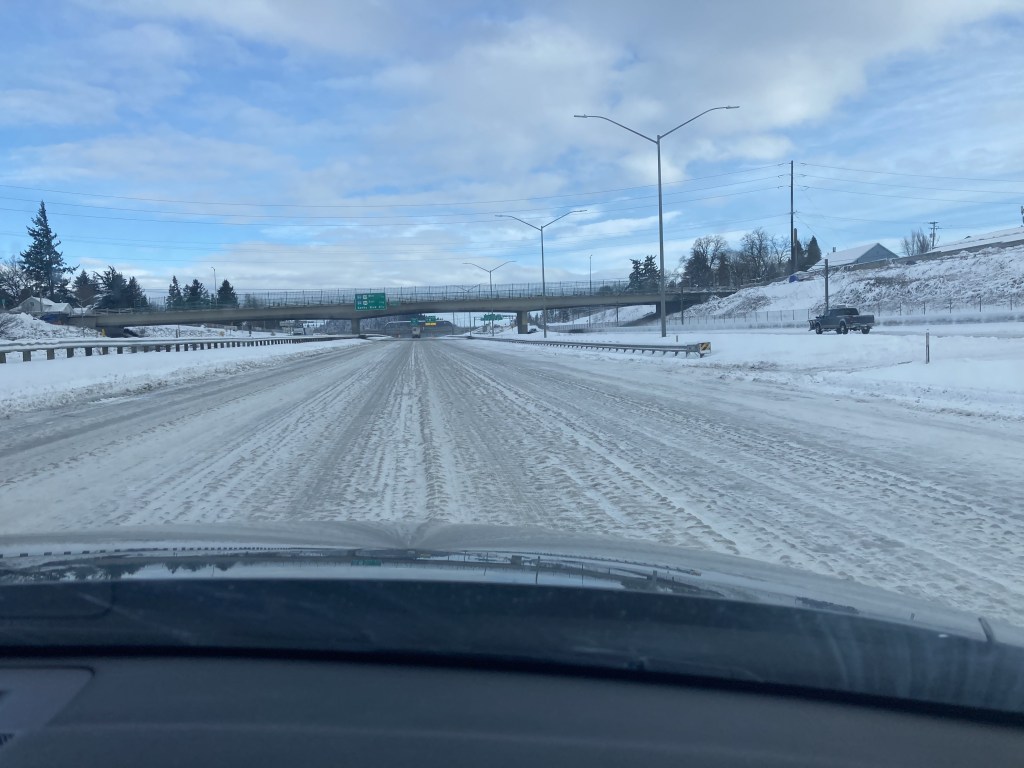
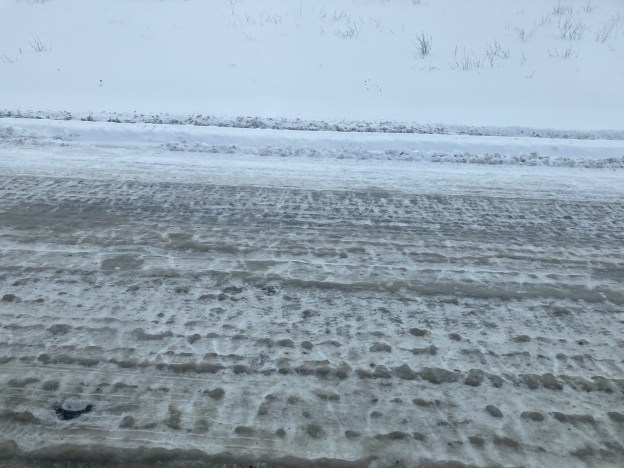
The first hour of the drive was fine; just some flurries. But problems started when we hit the main highway. (Note to ODOT: it’s winter in Oregon; do you not have salt trucks??). After about a half hour, we started to see trucks on the side of the road affixing chains. A few that seemed stalled or stuck. And the road suddenly became a frozen wasteland.

Fairly soon, traffic stopped altogether and we crawled along for another hour, passing more and more stalled trucks and abandoned cars. Nonetheless, my intrepid husband steered us safely to PDX, where we parked and made our way to the ticket counter. This was now 10:30 so we were cutting it a bit closer than ideal but the first flight was still showing as “on time”.

Until it wasn’t. It then transpired that there were no flights for that day or the next to get us down to Chile where the cruise was departing. All in all, 188 flights had been canceled, on a day described as the “second worst snow day in Portland history”. Lucky us.

With no way to get to Chile, we had to cancel the entire trip.

Dispirited, we left the airport for the two-hour drive home. The skies had cleared, the roads looked ok, traffic was moving.

Until it wasn’t. We were still on the airport exit road when everything suddenly stopped. We could see there’d been an accident not far in front of us. But a bright yellow emergency vehicle was arriving so that looked promising. There was an abandoned car to our right, and a black Jeep had tried to drive around a truck further up the road and slid into it. The truck behind that truck couldn’t move either.

So we sat. And sat. And, little by little, the emergency guys moved the wrecked cars off the road and then hooked up all the stopped cars to drag them one at a time up a hill to the left of the trucks– which still weren’t moving even after the wrecks had been cleared. We never did find out why.

Just as we were next in line to be towed to the main road, the ODOT guy told us it would be quite a while so we should back up to the access road instead. This put us in the wrong direction, leading us to more icy back roads before we could get back to a highway.

We made it home ten hours after we’d left and collapsed into bed, where we spent most of yesterday. Next comes the fun part of sorting out the trip cancelation insurance.

On balance, we’ve been lucky. In all our travels, this is the first time we’ve been unable to get to our destination, and nobody plowed into us on those frozen roads. But going forward, we will plan to arrive at least a day before we need to be somewhere — especially if it’s a destination with limited flight options.